
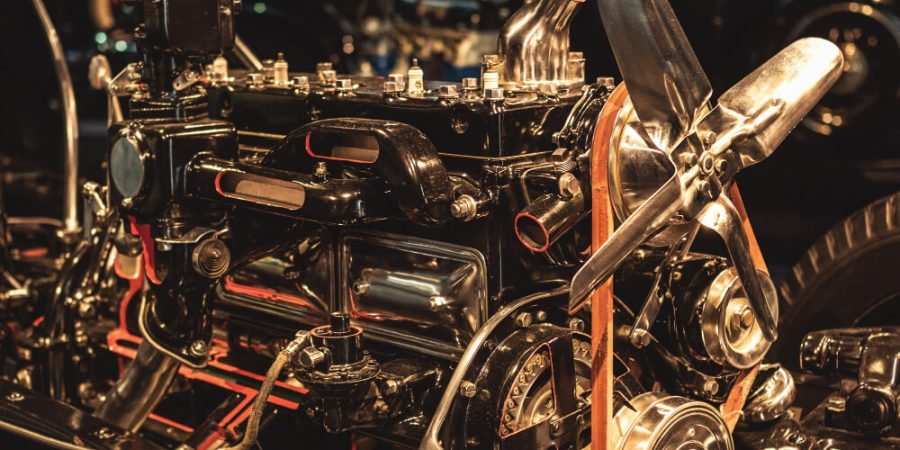
JDM engines are distinct from other automotive powerplants due to their precise engineering principles. These engines often use higher compression ratios, dual overhead camshaft (DOHC) systems, and advanced cooling technologies, enabling impressive performance even with smaller displacements. High-quality materials like forged internal components and aluminium parts enhance both durability and power output.
JDM designs focus on efficiency and performance by incorporating high-grade lubrication systems and lightweight constructions, leading to excellent power-to-weight ratios. Renowned examples, such as the Toyota 2JZ-GTE and Nissan RB series, showcase remarkable tuning versatility while maintaining reliability. These features underline why JDM engines are highly regarded in performance settings.
Understanding JDM Engine Fundamentals
JDM (Japanese Domestic Market) engines represent a unique category of automotive powerplants distinguished by their precise engineering and reliable performance characteristics.
These engines feature distinct JDM engine specifications that include higher compression ratios, maximising power output while improving fuel efficiency. Their construction utilises premium-grade materials and adheres to rigorous testing protocols to ensure consistent performance. Forced induction systems, such as turbochargers, enhance both power and efficiency, enabling impressive output without requiring larger displacements.
A key feature of JDM engines is their advanced cooling systems, designed to maintain optimal operating temperatures even under extreme conditions.
Many models are equipped with factory-installed performance components, including turbochargers and intercoolers, which improve power delivery and efficiency. The use of twin-scroll turbochargers exemplifies the advanced design philosophy in their forced induction systems.
The architecture of JDM engines includes robust internal components such as forged connecting rods and hardened crankshafts, contributing to their well-known reliability.
Performance Advantages of JDM Engines
The performance strengths of Japanese Domestic Market (JDM) engines arise from advanced engineering and market-specific innovations. These engines feature higher compression ratios and advanced cooling systems, enabling greater power output while maintaining optimal operating temperatures, even under demanding conditions. Their cost-effective nature makes JDM engines a popular choice for performance builds compared to American or European alternatives.
Key performance features include the use of turbochargers, intercoolers, and specialised ECU tuning designed for high-octane fuel. Before 2004, Japanese manufacturers adhered to a voluntary 280 PS power limit, though actual capabilities often surpassed this mark. With these restrictions lifted, manufacturers can now officially declare higher output levels.
The robust architecture of JDM engines supports significant modification potential. Components like forged pistons and reinforced crankshafts handle increased power demands, making them ideal for performance upgrades. The availability of aftermarket performance parts and tuning options further enhances their appeal.
Moreover, historically less stringent emissions regulations in the Japanese market have enabled more aggressive tuning and performance-focused designs. Combined with Japan’s high-octane fuel and strong demand for performance vehicles, this regulatory environment has led to engines that consistently outperform many international counterparts.
Build Quality and Durability Factors
Superior build quality and durability characteristics distinguish Japanese Domestic Market engines through their implementation of robust engineering principles and meticulous manufacturing processes. The build quality factors evident in JDM engines demonstrate a commitment to engineering excellence, featuring robust blocks and reinforced internal components that enhance structural integrity and operational longevity. Low-mileage engines are typically imported from Japan due to their strict vehicle inspection regulations.
- Cast iron blocks and heads, particularly in engines like the Toyota 1HZ, exemplify the over-engineered approach that enables these powerplants to exceed 500,000 kilometres without requiring major rebuilds.
- Premium material selection, including forged crankshafts and connecting rods in the 1JZ and 2JZ series, guarantees superior mechanical toughness under sustained stress.
- Balanced design architecture, as demonstrated in the Subaru EJ22, promotes smoother operation and reduced mechanical wear.
- Higher manufacturing standards result in tighter tolerances and superior assembly quality, contributing to enhanced durability.
These build quality factors are further complemented by sophisticated engineering features such as sodium-filled exhaust valves and specialized cooling channels, which optimize thermal management and mechanical stability.
The integration of high-compression ratios and precise ECU tuning demonstrates the sophisticated engineering approach that defines JDM engine construction.
Cost Analysis and Market Value
The market for Japanese Domestic Market (JDM) engines is shaped by cost factors and value considerations that affect their global appeal. Prices typically range from $1,000 to $3,000, with specialised models like the RB26 exceeding $12,000. These engines often have lower mileage, averaging 45,000–65,000 miles, offering better longevity than domestic alternatives.
Pandemic-related supply chain disruptions and rising shipping costs have significantly influenced pricing. For example, a JDM 2AZ-FE engine for Toyota costs approximately $1,399, compared to domestic engines with 120,000–150,000 miles priced around $1,500. Given that engine rebuilds can cost over $3,500, JDM engines often provide a compelling value proposition.
Market value is also impacted by import regulations, engine rarity, and recent quality concerns. Factors like global shipping rates and import duties have contributed to rising costs, further intensified by supply chain challenges during the pandemic.
Technical Design Features
JDM engines feature precision-crafted dual overhead camshafts and four-valve-per-cylinder configurations, optimising performance and efficiency.
Robust components like forged crankshafts and high-strength pistons ensure durability under extreme conditions. The 2JZ engine exemplifies the reliability synonymous with JDM engineering.
Performance-focused designs include advanced turbocharging systems and fuel injection technologies, maximising power output and efficiency.
Advanced Engineering Components
Engineered with exceptional precision, Japanese domestic market engines incorporate advanced technical features that distinguish them in automotive design. The high-quality engineering is evident in their sophisticated material selection and component integration, combining cast-iron engine blocks with aluminium cylinder heads for ideal strength-to-weight ratios and thermal efficiency. These superior engines are often sourced as complete swap kits for optimal performance upgrades.
- Advanced cooling mechanisms featuring sodium-filled exhaust valves and specialized circulation systems
- Precision-engineered DOHC configurations with four valves per cylinder for maximized airflow
- Integrated high-performance lubrication systems designed for sustained reliability
- Sophisticated ECU tuning capabilities paired with advanced sensor networks
The advanced engineering components in JDM engines demonstrate meticulous attention to detail through their balanced design approach. Critical elements include forged pistons for enhanced durability, sophisticated wiring harnesses for reliable electrical connectivity, and precise fuel delivery systems.
These engines typically feature compact, lightweight designs without compromising structural integrity. The implementation of horizontally opposed engine layouts in certain models further exemplifies the innovative engineering approach, providing improved vehicle balance and stability.
Each component is carefully selected and integrated to guarantee ideal performance while maintaining durability under high-stress conditions.
Performance-Focused Design Elements
Design features prioritising performance enable JDM engines to surpass conventional automotive engineering standards by combining advanced technical specifications.
Japanese engines stand out for their superior power-to-weight ratios. Their compact designs and lightweight components, as seen in the Subaru EJ20’s horizontally opposed configuration, showcase this balance effectively.
These engines feature high-performance components such as forged pistons and sodium-filled exhaust valves. These allow them to maintain efficiency and operate at high RPMs over extended periods. This innovation reflects a post-war emphasis on efficiency that transformed Japanese automotive technology.
Turbocharging systems integrated with precise fuel delivery mechanisms ensure consistent power across the engine’s range. Higher compression ratios and optimised cooling systems further enhance these engines’ capabilities, differentiating them from standard designs.
JDM engines balance performance and durability through the use of premium materials and reliable construction techniques. These attributes make them adaptable for both street use and track applications without sacrificing dependability.
Compared to USDM counterparts, JDM engines deliver higher power outputs. This difference arises from distinct ECU calibrations and engineering tuned for high-octane fuel compatibility.
These elements collectively position JDM engines as reference points for superior automotive design.
Compatibility and Installation Requirements
Installing JDM engines requires precise evaluation of physical fitment, including an assessment of mounting points, clearance requirements, and compatibility with existing engine bay components.
The integration of wiring harnesses demands careful attention to electrical connections. This process often involves custom adaptations or complete replacements to ensure proper communication between engine management systems and vehicle electronics.
Successful installation also depends on implementing necessary tuning system modifications. These may include ECU remapping, fuel management adjustments, and sensor calibrations to optimise engine performance for the new vehicle platform.
Physical Fitment Considerations
The successful integration of a JDM engine into a vehicle requires careful consideration of multiple physical fitment factors and compatibility requirements. Engine compatibility encompasses essential components that must align precisely with the vehicle’s existing architecture and mechanical systems.
- Intake and exhaust manifold configurations require careful evaluation, as JDM setups may differ considerably from USDM counterparts.
- Accessory drive components, including pulleys and tensioners, often need modification or replacement due to regional variations.
- Water pump specifications and mounting positions can vary between JDM and USDM engines.
- Crank pulley systems may require adaptation to guarantee proper belt alignment and tensioning.
The physical fitment process demands meticulous attention to engine mounting positions, guaranteeing proper alignment with the vehicle’s chassis.
The intake manifold must clear hood lines while maintaining adequate airflow, and exhaust manifolds need to integrate seamlessly with existing exhaust systems.
Additionally, accessory drive components require precise positioning to maintain proper belt tension and prevent interference with surrounding components.
These considerations are vital for achieving peak performance and longevity of the engine installation while maintaining the vehicle’s structural integrity and operational efficiency.
Wiring Harness Requirements
Successful JDM engine integration hinges on three critical wiring harness requirements that must be carefully addressed during the installation process.
First, wiring harness compatibility between JDM engines and USDM vehicles requires specific attention to connector types and wiring layouts. While JDM harnesses are not directly compatible with USDM vehicles, USDM harnesses can be adapted for use with JDM engines through strategic modifications.
The second requirement involves ECU compatibility considerations. When using a USDM harness with a JDM engine, the P28 ECU often provides the most straightforward integration path. However, proper modification of connectors and additional wiring for VTEC components may be necessary. The 96-98 EX harness is particularly well-suited for JDM engine swaps due to its built-in VTEC wiring capabilities.
The third requirement focuses on proper installation procedures. This includes ensuring the correct routing of wires, addressing throttle assembly modifications, and accommodating differences between right-hand and left-hand drive configurations.
Success depends on meticulous attention to these requirements, with particular emphasis on the proper connection of VTEC solenoids and pressure switches, regardless of the chosen harness configuration.
Tuning System Adaptations
Proper tuning system adaptations represent a critical cornerstone when integrating JDM engines into USDM vehicles. The engine performance comparison between JDM and USDM variants reveals significant differences in ECU programming, fuel mapping, and overall power delivery characteristics. These variations stem from Japan’s distinct emissions standards and higher-octane fuel availability, necessitating thorough tuning adjustments during integration.
- ECU recalibration to accommodate different fuel octane ratings and emissions parameters
- Adjustment of timing maps to enhance performance while maintaining reliability
- Modification of air-fuel ratios to match local fuel specifications
- Integration of modified sensor protocols to guarantee proper engine management
Professional installation and tuning expertise are essential for successful adaptation, particularly when dealing with turbocharged applications. The process requires precise calibration of fuel delivery systems, boost control parameters, and ignition timing to achieve peak performance while maintaining engine longevity.
Additionally, the installation of upgraded components such as larger fuel injectors, modified throttle bodies, and enhanced cooling systems may be necessary to support the increased performance potential of JDM powerplants. These adaptations must be carefully implemented and tested to guarantee seamless integration with existing vehicle systems.
Racing and Enthusiast Applications
Racing enthusiasts’ passion for JDM engines stems from their exceptional performance characteristics and proven track record in motorsports. Japanese auto manufacturers have engineered these powerplants with advanced specifications, including higher compression ratios and robust forged internals, enabling them to withstand substantial power output metrics.
The integration of sophisticated turbocharger systems and forced induction setups further distinguishes these engines, allowing for significant torque specifications beyond stock engine displacement capabilities.
Notable examples include the Toyota 2JZ-GTE and Nissan RB series, which have become legendary in competitive motorsports due to their extraordinary tuning potential. The Honda B-Series engines demonstrate remarkable high-revving capabilities, while Subaru’s EJ series has dominated rally racing.
These platforms offer extensive modification possibilities, from advanced camshaft profiles to lightweight rotating assemblies. The availability of racing-specific components through suppliers like JDM Engine Depot has made these engines increasingly accessible to enthusiasts.
However, successful implementation requires careful attention to emission regulations and compliance standards, particularly when adapting these engines for use in different markets. The combination of reliability, tuning potential, and cost-effectiveness continues to drive demand in the performance sector.
Frequently Asked Questions
How Do Emission Regulations Affect JDM Engine Imports to Other Countries?
Emission regulations greatly impact JDM engine imports through EPA compliance requirements, mandatory emissions testing, and certification protocols. Non-compliant engines face import restrictions, requiring verification of standards equivalency before international market entry.
Can JDM Engines Be Legally Used in Professional Racing Competitions?
JDM engines can be legally used in professional racing competitions provided they meet EPA certification requirements, comply with racing organization regulations, and undergo necessary modifications to satisfy both emissions standards and safety specifications.
What Insurance Implications Come With Installing a JDM Engine?
Installing a JDM engine requires disclosure to insurers, which may affect coverage rates or eligibility. Speciality insurers often provide better options, but verification of EPA compliance and proper documentation is typically mandatory for coverage approval.
Do JDM Engines Affect Vehicle Resale Value Positively or Negatively?
JDM engine swaps typically enhance resale value when properly installed and documented. These engines attract enthusiast buyers, commanding premium prices due to their performance reputation, lower mileage, and desirable engineering characteristics.
How Do Weather Conditions in Different Regions Impact JDM Engine Performance?
JDM engines maintain ideal performance across diverse weather conditions through advanced cooling systems, moisture-resistant components, altitude-compensating features, and adaptive fuel management. Their engineering specifically addresses temperature, humidity, and atmospheric pressure variations.
Final Thoughts
JDM engines showcase unique attributes driven by specialised engineering standards, market-specific design protocols, and strict quality control measures. Comparative analysis highlights their superior performance metrics in areas such as high-compression ratios and precision tolerances.
Although installation complexities and regulatory compliance pose challenges, the proven reliability, advanced technical specifications, and strong market value establish JDM engines as key contributors to advancements in automotive engineering and performance improvement.