
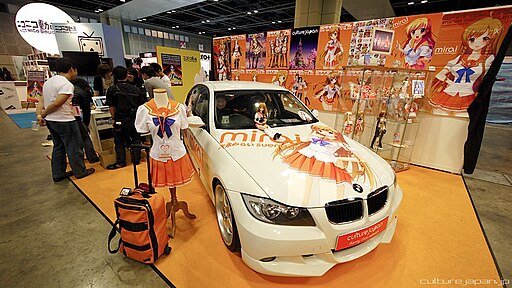
Itasha brings together anime enthusiasts and JDM car culture in a unique way. This trend, which started in Japan, involves decorating cars with large, colourful anime-themed decals, turning them into mobile works of art.
These designs often feature well-known characters, bold colours, and intricate patterns, showcasing a deep appreciation for Japanese pop culture. The movement has gained traction worldwide, with fans in Japan, Brazil, and the United States embracing it as both an art form and a way to connect with like-minded communities.
But Itasha isn’t just about visuals. It represents creativity and individuality, merging anime passion with the engineering and performance of JDM cars. Events and car meets dedicated to Itasha continue to grow, highlighting its influence on both automotive and pop culture.
Key Takeaways
- Itasha culture is where a passion for anime meets a passion for JDM cars. This eclectic and colourful subculture centres around individual expression and a passion for Japanese pop culture.
- Originating in Japan, Itasha has evolved from niche car customisation to a global phenomenon celebrated through events, online forums, and international gatherings.
- Designs take inspiration from anime, manga, video games, and idols. They tend to feature eye-catching wraps covered in detailed graphics and vibrant colours.
- Customisation is at the heart of Itasha, realising each owner’s individuality and creativity through elaborate themes and state-of-the-art technology.
- Like other subcultures, it’s an influence that has drastically affected the automotive industry, inspiring OEM and aftermarket collaborations with media brands and fuelling trends in car personalisation.
- While Itasha continues to expand internationally, one trend would be the use of more eco-friendly materials, advanced design technology, and a wider cultural reach beyond Japan.
What Is Itasha Culture
Itasha culture represents the intersection of anime fandom and automotive passion. This special phenomenon is all about providing fans with a canvas to express their infatuation with their favourite 2D characters. This subculture revolves around cars adorned with intricate designs featuring anime and manga characters, often transforming vehicles into mobile tributes to their favourite series.
The word “itasha” literally means “painful car.” This name evokes both the emotional devotion and the often exorbitant expenses associated with this culture.
1. Define Itasha and Its Meaning
At the very heart of itasha culture is the desire to make anime and manga come alive in the most literal sense. For many owners, these designs are more than decals they’re personal expressions.
The Itasha conversion process is simple, transforming any vehicle using vinyl wraps or decals that display colourful, anime-inspired designs. These creations usually go further than just the outside with interiors tailored to fit the theme. From the steering wheels to the seat covers, the devil is in the details.
2. Explain the Origins of Itasha
Itasha culture began in Japan in the 1980s and 90s, inextricably linked to the growth of otaku culture. As anime and manga became more mainstream, fans needed a more creative outlet for their devotion.
Putting this passion together with Japan’s car customizing scene was nearly a foregone conclusion. The end product was a vibrant cultural niche that adored each equally.
3. Explore the Evolution of Itasha
With the advent of social media, itasha culture has developed over the years from a niche hobby to a worldwide known phenomenon. Today, itasha events and conventions take place all over Japan and even internationally, including in Australia and the United States.
Of course, making an itasha is now a complicated art. These days, itasha owners often work with professional car-wrappers to create beautiful, high-quality outcomes.
These projects often spread out over weeks or months as it can often be a reflection of the community’s commitment to the process.
Characteristics of Itasha Vehicles
Itasha vehicles are a fascinating blend of Japanese car culture and pop art, showcasing a unique intersection where automotive enthusiasm meets fandom for anime, manga, and video games. The short form of the Japanese term “itasha” literally translates to “pain car.” This label accurately represents the gaudy and eye-popping artwork that can easily dazzle or confuse the average pedestrian.
For the true enthusiasts, these cars are an open canvas for creativity and self-expression, allowing them to show off their passions with pride.
1. Highlight Common Design Features
Itasha vehicles generally display elaborate, artistic, well-made decals and wraps. These designs prominently display characters that are popular in anime, manga, or gaming culture. These designs are much more than just flashy graphics.
They are usually adorned with custom paint jobs, LED lights, and various themed decorations including seat covers and steering wheels. Some owners even take it a step further, bolting on performance modifications to show off the rambunctious side of JDM cars.
The end product is a breathtaking combination of beauty and cutting edge technology. It turns a regular vehicle into a stunning piece of art. For instance, a Subaru WRX STI could go all out with Hatsune Miku liberation decals all over the outside. Inside you’d find coordinating floor mats and trim, which continue their lively motif throughout.
2. Discuss Anime and Manga Inspirations
Anime and manga are the lifeblood of Itasha culture. Recent heavy hitters such as Naruto, Attack on Titan and Demon Slayer all have a massive impact on designs. The scope of the inspiration stretches well beyond these names.
Niche titles and cult classics are well-represented as well, providing a little something for every type of super-fan. Events such as Odaiba Itasha Tengoku and Cars N’ Anime San Diego are great examples of this exciting diversity.
They compile a final collection of these vehicles, celebrating everything from retro franchises to contemporary favourites. These events embrace the fandom and are unifying experiences. In doing so, they build an incredible sense of community with those who share their unique interests.
3. Examine Use of Vibrant Colours and Graphics
Vivid colours and bold graphics are the hallmarks of itasha vehicles. From neon pinks and blues to metallic finishes, the designs are often extreme and meant to be noticed. The installation of these graphics calls for a high degree of craftsmanship and expertise, to make sure the images stay crisp and last for years.
These striking visuals are about more than aesthetics. Itasha vehicles in particular are known for their eye-catching and unique designs that encourage conversation at car meets, conventions, or in everyday street settings.
An Itasha Toyota Supra with a moving wrap of One Piece characters is sure to be eye-catching. Its transgressive, in-your-face design will open up incredible conversations about culture!
Design Elements in Itasha
Itasha culture is one of the most interesting combinations of Japanese subcultures. Anime fans express their love and devotion by modding JDM cars in outrageous styles. Each design choice not only showcases the owner’s individuality but also makes their car a head-turning masterpiece of fandom.
1. The Role of Customisation
Customisation is at the heart of Itasha culture. Owners tend to stop short of the basics, choosing instead custom designs that depict their favourite anime, manga, or video game characters. These vehicles are not just vehicles they’re their owners’ showcases of creativity.
Other vehicles feature very simple designs, with just one character on the hood. In contrast, the latter is often adorned with full-body wraps, which cover every single panel with loud, colourful illustrations. In hotspots such as Akihabara and Nipponbashi, many people are taken with these cars for their beautiful design. They enjoy the passion that is poured into every detail.
2. Use of High-Quality Wraps
High-quality vinyl wraps are a big part of the cornerstone of Itasha’s design and creation. These wraps are an amazing medium for any level of detail, from simple, eye-catching colours, to complex patterns and gradients.
For example, a vehicle might have a wrap that features a thrilling car chase from a famous anime. It will be more durable due to weather-resistant materials. Full-body wraps provide an incredibly versatile option for changing or updating vehicle designs. This makes them an attractive option for owners looking to get in on the ground floor with new fandoms.
3. The Importance of Personal Expression
For primarionaut, itasha design is even more personal. In one survey, 70% of owners reported viewing their car as an extension of their identity. This feeling of connection and pride usually results in extravagant designs focused on particular characters, narratives, or franchises.
Many owners create designs that showcase their personalities and interests. Indeed, many of these vehicles get so elaborate that they are considered artworks themselves. These cars, and others, are frequently seen at Itasha meetups, car shows, and art galleries. They bring together like-minded people and further stimulate an inclusive community.
Types of Itasha Designs
Itasha culture is incredibly diverse and creative, providing a wide array of designs that show off the owner’s unique personality and interests, as well as their fandom. These types of itasha designs range from subtle touches to over-the-top creations, turning vehicles into rolling works of art. Read more to explore the various types and styles that make up this unique Itasha subculture.
1. Categorise Different Anime Themes
Anime-themed itasha usually represents the spirit of a particular series, character, or even a specific moment. The designs range from complex, even car-spanning illustrations, to minimalist approaches, like a single character on the hood.
A car-themed around Demon Slayer, for example, might have Tanjiro’s likeness on the doors and Nezuko’s on the back bumper. Some fans take it a step further, bringing along props such as swords or other themed accessories to enhance the aesthetic.
2. Discuss Video Game and Idol-Based Designs
Video games and idol-inspired itasha add a whole other layer of imagination. Vehicles decked out with artwork from Final Fantasy or Genshin Impact prominently feature their most recognizable characters.
They highlight gaming logos and captivating settings from the gameplay. Idol designs allow you to flaunt your favourite J-pop stars and groups. They explode with intense colour palettes and sparkling embellishments, mirroring the exuberance of their acts.
Soundtracks synced with LED lights, for example, turn these designs into lively displays. They weave together a spellbinding journey that stimulates the creative mind and soothes the soul.
3. Explore Cross-Cultural and Unique Styles
Influences from other cultures lead to interesting itasha variations, where anime is combined with different art forms or aesthetics. Others mix classical Japanese motifs, like origami patterns, in with more contemporary anime icons.
All of this combines to provide a stunning blend of the past and present. Some push for other genres, like steampunk-inspired anime designs or even sci-fi aesthetics.
Interiors are the real stars. Custom seats, dashboards, and themed upholstery typically match the exterior just right, providing a fully immersive experience.
At events such as Odaiba Itasha Tengoku, there is no limit to your creativity. You’ll be treated to vehicles with articulated elements, impressive sound design, and even famous anime props, like Luffy’s hat from One Piece.
Community and Events in Itasha
This itasha culture is heavily based on community and shared passion. From local car meets to global events and online spaces, its vibrant community of enthusiasts welcomes newcomers. With every meet, the chemistry between anime and car enthusiasts deepens, forging a distinct subculture that boasts unrelenting artistry and passion.
Highlight Popular Itasha Gatherings
Itasha car meets are the lifeblood of this community. At festivals such as Moesha-ofu, in Iga, Mie, elaborately decorated cars, often embellished with complex anime art, take to the streets. These events showcase the time, effort, and artistry that goes into each vehicle.
In Australia too, similar events are picking up steam, drawing fans together to appreciate cars that combine the world of motorsport and anime art. Cars N’ Anime in San Diego is another great example, consistently attracting a very mixed crowd. Its 90% attendee growth each year is a testament to the growing interest in itasha culture.
Often, such events have racing competitions as well, giving an exciting, competitive twist to the whole experience.
Discuss Online Communities and Forums
The itasha community doesn’t stop at in-person events, growing ever more vibrant online. Digital platforms have created a hub for these enthusiasts to connect, share designs and ideas, and plan out meetups and conventions.
Forums and social media groups facilitate international cooperation. Participants from Taiwan, Indonesia, and far are not only witnesses to this art form’s development, but they help shape its transformation.
Examine International Growth of Itasha Events
Though itasha culture is certainly rooted in Japan, it has taken on a life of its own across continents. This international expansion is a testament to how relatable the melted-pot culture of combining anime with JDM cars can be.
Events worldwide celebrate this blend, fostering creativity and inclusivity. Meanwhile, enthusiasts are further developing the culture with new meetups and designs, promising itasha’s long-lasting popularity.
Impact of Itasha on Automotive Industry
Anime culture and car customization have united to change the automotive landscape. This creative fusion provides automotive enthusiasts with a one-of-a-kind canvas to express their diverse personal interests. Itasha has its roots as a niche hobby in Japan. Now it has become a cultural phenomenon, driving trends around the world.
1. Explore Influence on Car Customisation Trends
Itasha has changed the very definition of personalising a car. The complex murals, usually depicting popular anime characters, combine admiration with artistry in a remarkable intersection of fandom and talent. This trend has opened the floodgates to creativity in car wraps.
It has further inspired custom interior detailing and themed accessories. This impact goes beyond cars, with itachari (decorated bicycles) and itabasu (buses) showing this same decorative creativity. Events like the gathering at Kawasaki Daishi temple, where around 60 vehicles showcased their unique designs, highlight the growing appeal of this trend.
These events attract not just hobbyists but those outside the community.
2. Discuss Collaboration with Anime and Media Brands
Working with anime and media brands has helped further solidify Itasha’s position in pop culture. Companies such as Good Smile have collaborated with franchises such as Type-Moon and TRIGGER. They paraded their new decorated cars at the 2019 24 Hours of Spa.
Events featuring voice actors and cosplayers bring fans closer to their favourite series. Meanwhile, car manufacturers, inspired by shows like Initial D, have even launched limited-edition models. That cross-promotion helps the automotive industry as much as it helps the anime industry, expanding their respective audiences.
3. Examine the Growing Market for Itasha Accessories
The subsequent demand for itasha-related products has exploded, creating a vast marketplace for car wraps, decals, and other specialized accessories. This expansion isn’t confined to just automobiles; computer cases, aircraft, and even locomotives have adopted the flashy aesthetic.
The impact on the automotive industry and the community of enthusiasts continues to grow, with large-scale exhibitions regularly drawing in more than 20 companies and thousands of visitors. These events are a great opportunity to appreciate the astounding artistry of Itasha.
In addition to attracting accessory businesses, they create a diverse economy that encourages innovative thinking and breeds fandom.
Representation in Pop Culture
Itasha culture has found an unusual pop culture foil. It combines anime-style artistic flair with an obsession for JDM (Japanese Domestic Market) cars. That intersection between two fiery universes has changed drastically. What began as a small subculture has become a mighty force of inspiration, self-expression and collective love for all things Japanese.
1. Highlight Appearances in Films and Shows
Films and TV shows have gotten in on the action, too, taking advantage of the extremely photogenic itasha. Sometimes these cars have been turned into reflections of their owners’ personalities. In anime like Initial D and Wangan Midnight, the characters race cool, modified cars.
These vehicles were a wonderful representation of the vibrant itasha culture. These appearances connect fiction with real-world passion, empowering fans to express their creativity through their cars. Outside the realm of anime, itasha is often featured in documentaries and YouTube channels, giving audiences an up-close view of this vibrant subculture.
2. Discuss the Influence on JDM Car Enthusiasts
Japanese domestic market (JDM) car enthusiasts have gravitated toward itasha due to its eye-catching, artistic aesthetic. Meetups such as “Cars N’ Anime San Diego” combine car meets with Japanese pop culture to form inclusive, fun, family-oriented spaces.
More than 60 vehicles lined up at Kawasaki Daishi, mixing old spiritual tradition with new creative expression. Geeks across the globe, from the United States to Turkey add their spins, creating a worldwide obsession with itasha.
3. Explore Its Role in Promoting Japanese Culture
At its core, itasha is the product of a passionate love letter to Japan. This unexpected fusion of otaku and car communities serves as a testament to a universal appreciation for the country’s rich traditions and modern creativity.
Events like these continue to reinforce anime’s role as an accessible and exciting entry point to learn more about Japanese culture, and build relationships across countries and cultures.
Future Trends in Itasha Culture
Itasha culture is an incredibly colourful and interesting phenomenon that is always changing. Its future is a tantalizing combination of opportunity, creativity, and international allure. This prime mix of anime artistry and JDM car culture is quickly spreading like wildfire. It’s far from an isolated niche interest itasha is a burgeoning movement that has important cultural and technological ramifications.
Technological Advancements in Design
New developments in printing technology and materials are changing how itasha designs are conceived and put on the road. Today’s vinyl wraps allow for detailed, high-resolution artwork to perfectly match the curves and angles of a vehicle. This new innovation allows for full-car designs to be more accessible and long-lasting.
Augmented reality (AR) is another developing technology, allows users to see designs in the real world digitally before making a choice. Just imagine being able to project a holographic version of your favorite anime figure on your car, and having it automatically adjust itself for a flawless appearance.
These tools help democratise the customisation process, inviting even more enthusiasts to experiment with colourful and elaborate designs.
Global Expansion of the Subculture
Itasha is becoming increasingly popular outside of Japan as well. Events in places such as Germany and the USA are a testament to the expanding international fanbase. At a recent Japanese itasha convention, as many as 60% of the attendees were from outside the country, proving that this enthusiasm is truly global.
Motorcycles (itansha) and bicycles (itachari) are increasingly popular too, expanding the subculture’s appeal. Western collaborations with anime voice actors and cosplayers only serve to boost this appeal, creating cultural bridges through shared passion.
Conclusion
Itasha culture combines anime creativity and JDM car passion in a way that’s big, loud, expressive, and highly individualistic. It’s not just about the eye-catching designs of cars. It’s a celebration of fandom, individuality and like-minded community. From artistic designs to massive conventions, the culture is still very much alive, impressing and uniting fans around the world.
Itasha culture’s influence has moved far beyond the streets, making a mark on trends in the automotive and creative industries. With new technologies and designs continuing to develop, the future of itasha seems pretty promising.
If you’ve ever been interested in discovering more about this colourful culture, there’s no better time than right now to get started. Whether you’re a fan or a creator, there’s a lot of space in this expanding universe.
Frequently Asked Questions
What is Itasha culture?
Itasha culture is the practice of decorating cars with anime, manga, or gaming art. It’s a whole subculture dedicated to adorning vehicles with hugely colourful portraits of one’s favourite anime characters. Itasha—which literally means “painful car” in Japanese describes the unique aesthetic and financial pain that one endures.
What are the key characteristics of Itasha vehicles?
Itasha vehicles are instantly recognizable and unique, covered in bright, colourful, eye-catching graphics, decals, and designs featuring popular anime characters and themes. They usually have special paint jobs with character artwork, custom rims, and other modifications. These cars are the perfect mix of fandom expression and individual creativity.
What types of designs are used in Itasha?
Designs vary from colorful, full car wraps featuring anime waifus, to less pronounced decals on certain parts of the car. Themes that are especially popular among itasha owners are anime, manga, video games and even collaborative designs with music or pop culture stars.
Are there Itasha events and communities?
Indeed, there are specialized Itasha gatherings in countries across the globe. These events range from car shows to meet-ups and conventions where fans proudly display their vehicles. Communities have formed on the internet, allowing itasha enthusiasts to share designs, tips, and events with one another.
How has Itasha impacted the automotive industry?
Itasha has, in turn, promoted the aftermarket car customisation industry. Vinyl wrapping has become a cultural phenomenon, dazzling a new generation of youths with creative car culture. This trend artistically fuses fandom with a sophisticated passion for cars.
Is Itasha featured in pop culture?
Of course, Itasha cars are commonly seen in anime, video games and movies. More than that, they are an incredible symbol of fandom and creativity, further merging the worlds of pop culture and automotive enthusiasts.
What is the future of Itasha culture?
Itasha culture today
With new vinyl wrap technology and augmented reality, itasha culture is changing. Even more complicated designs are popping up, and the worldwide interest in these things is exploding. The trend is sure to continue to mix fandom with cutting-edge car customisation.