
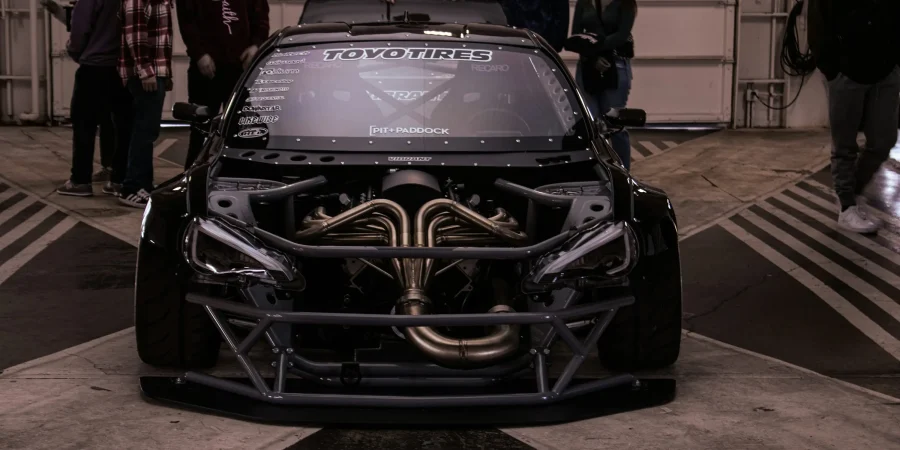
Several affordable JDM vehicles offer strong performance under $15,000. The Nissan Silvia S14/S15 provides excellent drift capabilities powered by its SR20DET engine. Early Honda Civic Type Rs deliver high-revving VTEC performance, known for their reliability and agility. The FC/FB Mazda RX-7 excites enthusiasts with its rotary engine and balanced handling.
The Mitsubishi Eclipse GSX, equipped with all-wheel drive and the robust 4G63 engine, is a practical option for budget-conscious enthusiasts. The Toyota MR2 delivers dynamic mid-engine handling at an accessible price.
Additional noteworthy options include the Subaru Legacy GT and Nissan 240SX, each providing unique modification opportunities and rewarding driving experiences.
This blog post explores specs, maintenance requirements, and market valuations.
Most Popular JDM Cars
Japanese Domestic Market (JDM) vehicles have had a profound impact on global automotive culture, with numerous iconic models becoming benchmarks in performance and design.
Among the affordable yet high-performing options, the Nissan Skyline GT-R, often referred to as “Godzilla,” stands out for its advanced all-wheel-drive system and highly customisable RB26DETT engine.
The Toyota Supra A80 gained significant recognition, especially after its appearance in the “Fast & Furious” franchise, showcasing the legendary 2JZ-GTE engine that epitomises Japanese engineering excellence. These cars emerged during Japan’s economic boom, an era that prioritised high-performance innovation.
The Mazda RX-7, distinguished by its rotary engine and sleek aerodynamic design, holds a unique position among budget-friendly performance vehicles.
The Subaru Impreza WRX STI (GC8), backed by its rallying legacy, combines a turbocharged boxer engine with an advanced AWD system to deliver exceptional handling.
For enthusiasts seeking entry-level performance, the Honda Civic Type R (EK9) provides track-ready capability with its high-revving B16B engine.
The Nissan 240SX and Silvia platforms serve as excellent starting points for JDM enthusiasts, offering strong aftermarket support and extensive modification potential for enhanced performance.
Performance and Handling Specs
Beyond their cultural impact, these affordable JDM vehicles deliver impressive performance metrics that solidify their reputation in the automotive world. Among classic JDM imports, the R32 GT-R leads with its 280-horsepower twin-turbocharged inline-six, achieving 0-60 mph in 4.7 seconds.
The Integra Type R, despite its modest 200 horsepower, demonstrates exceptional handling characteristics through its precision-tuned suspension and front-wheel-drive configuration. The vehicle’s lightweight design philosophy made it a dominant force in motorsports competition.
In terms of drivetrain diversity, these platforms offer varied configurations optimised for different driving dynamics. The RX-7‘s rear-wheel-drive layout, paired with its twin-turbo 13B-REW rotary engine, delivers 236 horsepower and a balanced weight distribution.
The WRX STI‘s all-wheel-drive system, combined with its turbocharged EJ20 powerplant, provides exceptional all-weather performance capabilities with 247-250 horsepower.
The Toyota Chaser, often overlooked in market valuations, offers an impressive range of 200-276 horsepower from its turbocharged inline-six.
Each vehicle presents a unique performance proposition, with transmission options ranging from engaging manual gearboxes to refined automatics, catering to diverse driving preferences while maintaining accessibility within the sub-$15,000 price range.
Essential Maintenance Tips
Maintaining JDM vehicles involves four key areas: regular inspections, scheduled maintenance, protective care, and professional servicing. These steps are crucial to preserve performance and maintain accurate Hagerty valuation tool metrics.
Regular inspections include oil changes every 3,000-5,000 miles, tyre wear checks, fluid level monitoring, and brake system assessments. Clean oil ensures smooth operation and protects the engine from damage.
Scheduled maintenance aligns with mileage milestones. For instance, 5,000km checks focus on routine adjustments, while 96,500km intervals require replacing parts such as spark plugs and drive belts.
Protective care includes regular washing and waxing to prevent rust, especially on vehicles sourced from JDM import dealers. Attention should also be given to dust covers, axle shaft boots, and underbody components, which may need replacement with parts from specialised manufacturers.
Professional servicing is best done by shops experienced in JDM vehicles, equipped with the right tools and knowledge.
Keeping detailed maintenance records is essential. These records should track all services, part replacements, and repairs, aiding future planning, maintaining market value, and ensuring top performance and reliability.
Best Modifications and Upgrades
Modifying JDM vehicles involves carefully selecting components that enhance performance, appearance, interior comfort, and handling dynamics. Upgrades should aim to improve both capabilities and value while remaining within specifications acceptable to insurance providers.
Engine Performance: Start with turbocharger installations or VTEC engine enhancements to increase power. Performance air filters and sport exhaust systems offer immediate gains while maintaining reliability. Cold air intakes boost throttle response and improve engine efficiency.
Aesthetic Enhancements: Install wide body kits and aerodynamic spoilers to enhance both style and functionality. Custom wraps provide exterior protection and allow personalisation.
Interior Upgrades: Add racing seats and performance gauges for a driver-centric setup. Upgrading the steering wheel can improve control and responsiveness.
Handling Components: Equip the vehicle with high-performance tyres, aftermarket shocks, and brake system upgrades to optimise handling and safety.
Planning modifications carefully ensures reliable performance and a worthwhile return on investment. Begin with foundational improvements, such as suspension tuning and brake enhancements, before progressing to significant power upgrades.
Where to Find Deals
There are several trusted avenues for securing affordable JDM vehicles in Australia, each offering unique advantages for buyers.
Japanese auto auctions, such as Goo-net Exchange and JAA, provide direct access to RHD imports at competitive prices. These auctions often include comprehensive vehicle inspection reports and detailed documentation on the vehicle’s mechanical condition. For fans of rotary-powered classics, models like the Mazda RX-7 FC frequently appear, with pricing around $9,200 AUD, though this may vary based on exchange rates and shipping costs.
Specialised JDM dealerships in Australia, such as Prestige Motorsport and Iron Chef Imports, streamline the process by sourcing pre-vetted vehicles that meet local compliance standards. These dealerships handle shipping, customs clearance, and modifications required to adhere to Australian Design Rules (ADR), ensuring the cars are roadworthy and legal.
Online marketplaces and local used car platforms also provide excellent opportunities. Websites like Carsales, Gumtree, and forums like JDMST (JDM Style Tuning) offer a wide range of models. Tools like Redbook can assist buyers in evaluating market values and understanding ownership costs.
For local purchases, platforms such as Facebook Marketplace and Gumtree often list JDM vehicles from private sellers. Buyers should conduct thorough vehicle inspections, ensure compliance with state registration laws, and verify documentation to avoid unexpected issues.
Resources like Choice Australia and RACQ provide valuable insights into reliability and ownership experiences, helping buyers make informed decisions.
Frequently Asked Questions
How Long Do JDM Car Imports Typically Take to Arrive From Japan?
JDM vehicle imports typically require 3-4 months total transit time, with 2 weeks for Japanese customs clearance, followed by 5-10 weeks ocean transit to East Coast ports or 2-3 weeks to West Coast destinations.
Are Insurance Rates Higher for Imported JDM Vehicles Compared to Domestic Cars?
Yes, JDM imports typically command higher insurance premiums due to specialized valuation requirements, parts sourcing complexity, and market volatility. Speciality insurers may offer competitive rates, but traditional carriers often apply significant rate increases for imported vehicles.
Which JDM Cars Have the Most Readily Available Replacement Parts?
Popular JDM platforms like the Toyota Supra, Mazda RX-7, and Honda Prelude maintain extensive parts networks due to robust aftermarket support. The Nissan Skyline and Silvia platforms also benefit from strong global parts availability.
Do JDM Cars Require Special Tools for Maintenance and Repairs?
Yes, JDM vehicles typically require metric-specific tools and specialized equipment like flare nut wrenches, line wrenches, and unique socket sizes. Many models also demand manufacturer-specific tools for complex repairs and maintenance procedures.
Can You Legally Convert Right-Hand Drive JDM Cars to Left-Hand Drive?
RHD to LHD conversion is legally permissible in many jurisdictions, subject to strict regulatory compliance. Professional conversion requires extensive mechanical modifications including steering rack relocation, dashboard reconfiguration, and safety system recalibration to meet local standards.
Final Thoughts
JDM vehicles under $15,000 represent a compelling entry point into Japanese performance culture, with models like the Nissan Silvia S14, Toyota MR2, and Mitsubishi Evolution VIII offering exceptional value. Strategic modifications, diligent maintenance schedules, and thorough pre-purchase inspections remain critical for maximizing performance potential.
Import-specific marketplaces and specialist dealers continue providing accessible options while rising market values underscore the investment potential of these increasingly sought-after platforms.