
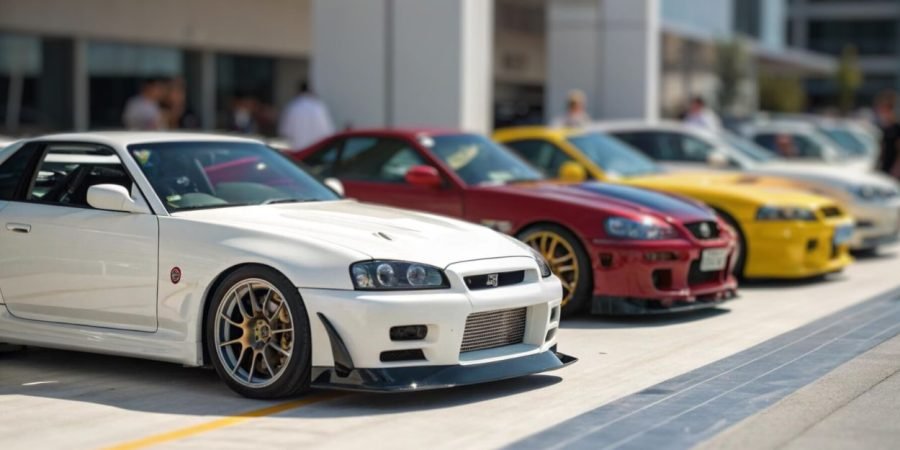
JDM cars have become increasingly expensive due to multiple factors. A limited supply coincides with growing international demand, especially from buyers in the U.S., Australia, and the U.K., causing prices to rise by as much as 30% in recent years. The 25-year import rule creates an artificial scarcity, while strict FMVSS regulations limit the availability of newer models. Nostalgia for vehicles from the 1980s and 1990s fuels competition among collectors.
Additionally, the scarcity of parts and specialised maintenance needs make ownership more costly. Digital auctions and social media have expanded the audience for these vehicles, further driving demand. These interconnected factors explain the premium pricing of JDM cars.
JDM Market Supply and Demand
The JDM car market operates under complex supply and demand dynamics that have driven prices to unprecedented levels. The finite supply of Japanese domestic vehicles, coupled with increasing global demand, particularly from the U.S. market, creates a fundamental scarcity that pushes prices upward.
This supply-demand dynamic is further intensified by production disruptions in the new car market, including semiconductor shortages, which have redirected buyer interest toward the JDM segment. Used car prices surged 30% higher during this period.
Market manipulation compounds these pressures, with auction houses and fraudulent importers strategically controlling inventory releases to maximise profits. Auction houses systematically purchase during price dips and withhold inventory until market conditions favour higher returns.
Meanwhile, wealthy buyers’ aggressive bidding practices and emotionally driven purchases contribute to price inflation, establishing new pricing benchmarks that ripple through the market.
The weakening Japanese Yen has added another layer of complexity to supply-demand dynamics, though its impact varies between domestic and international markets.
While inventory clearances occasionally provide temporary price relief, the overall trend remains upward due to persistent supply constraints and growing cultural appeal in international markets.
Import Restrictions and Regulations
Stringent import restrictions and regulatory frameworks significantly affect JDM vehicle accessibility in Australia. The Specialist and Enthusiast Vehicle Scheme (SEVS) governs the import of vehicles that do not meet Australian standards, requiring specific eligibility criteria for compliance.
The 25-year rule in Australia allows vehicles older than this threshold to be imported with fewer restrictions, a key route for JDM enthusiasts. This currently includes iconic models like the R32 Skyline (1989–1994), while newer vehicles must meet additional requirements under the SEVS.
The RAWS (Registered Automotive Workshop Scheme) mandates that vehicles imported under SEVS undergo extensive modifications to meet Australian Design Rules (ADRs). These modifications can be costly, adding to the overall expense of owning a JDM vehicle.
Documentation requirements, including import approval forms, ownership certificates, and customs declarations, further add to the complexity of the process. Importers must also pay the Luxury Car Tax (LCT) for vehicles exceeding the set price threshold, which further increases costs.
Right-hand drive models, which are standard in Japan, align with Australian regulations, simplifying their import process compared to left-hand drive vehicles. However, compliance requirements still apply, particularly for newer vehicles.
These regulatory frameworks create a supply bottleneck, contributing to the premium pricing of JDM vehicles in the Australian market. Despite these challenges, growing demand driven by cultural appeal and the collectability of JDM cars continues to sustain their popularity.
The Nostalgia Premium
Nostalgia drives a significant portion of JDM vehicle valuations in Australia, creating a premium that extends beyond traditional market factors. This nostalgia premium is particularly evident in classic Japanese cars, where emotional connections and cultural significance substantially influence market prices.
Models like the Toyota 2000GT and Nissan Skyline GT-R command exceptional valuations due to their historical importance and iconic status in automotive history. Events such as the Nostalgic 2-Day in Japan highlight this trend, with meticulously restored classics attracting significant attention from international and Australian buyers.
Popular media representation amplifies this phenomenon, with JDM vehicles prominently featured in movies and video games. This exposure fosters emotional connections among Australian enthusiasts who grew up admiring these cars.
This cultural impact, combined with the vehicles’ distinctive designs and performance capabilities, has established a thriving collector’s market in Australia, where pristine examples often fetch premium prices.
The nostalgia premium is particularly strong in limited-edition models and special variants, where rarity intersects with emotional appeal. For instance, models like the Mazda RX-7 Spirit R and Honda NSX Type R are highly sought after for their exclusivity and legendary status.
Social media platforms further fuel this trend, showcasing restored examples and sparking interest among younger Australian enthusiasts. These vehicles are seen as both cultural icons and investment opportunities.
The combination of nostalgia, cultural importance, and market dynamics continues to push valuations upward for JDM vehicles in Australia, sustaining their appeal across generations.
Rare Parts and Maintenance
The scarcity of JDM-specific components creates a challenging dynamic in Australia, where rare parts command premium prices and often require sourcing through Japanese exporters or specialised vendors.
Small tuning shops in Japan play a critical role in maintaining inventories of exclusive parts that are not readily available through mainstream channels or listed online. Enthusiasts and collectors in Australia frequently rely on these shops to secure authentic components for their vehicles.
This issue is further complicated by the need for mechanics with expertise in Japanese vehicle maintenance, as these cars often demand unique service procedures and specialised diagnostic equipment. The lack of widely available knowledge about JDM-specific systems in Australia means owners must seek out niche workshops with the necessary skills, which can be both time-consuming and costly.
The combination of hard-to-source components and the requirement for specialist labour significantly increases the total cost of ownership for JDM vehicles in Australia, especially for limited-production models and high-performance variants like the Mazda RX-7, Toyota Supra, and Nissan GT-R.
Parts Scarcity Drives Costs
Rising parts scarcity is a significant factor driving up JDM car costs, particularly after the 2011 Japanese earthquake, which severely disrupted global supply chains. The disaster caused widespread damage to manufacturing facilities, including the Renesas Electronics microcontroller plant, creating lasting effects on parts availability and market valuations. In total, eight manufacturing plants sustained significant damage, further exacerbating the supply chain crisis.
Impact Highlights
| Impact Factor | Market Effect |
|---|---|
| Production Loss | Toyota: 140,000 units lost Honda: 46,000 units lost |
| Supply Chain | 14% of U.S. parts are imported 80% are North American-made |
| Maintenance Interval | Higher costs for AWD/4WD vehicles Regular service required for Nissan GT-R |
| Price Appreciation | R32 GT-R value rose from $3,000 to $12,000 |
In the collector vehicle market, parts availability heavily influences both maintenance expenses and overall vehicle values. For instance, models like the Mazda MX-5 have relatively low annual maintenance costs of $429, but high-performance vehicles face substantially higher upkeep.
The continued scarcity of key components, paired with growing demand for JDM vehicles, drives costs upward, particularly for collectors seeking rare or performance-oriented models.
Specialist Mechanics Required
Specialised mechanical expertise is a major cost driver for JDM vehicle ownership in Australia, compounding the challenges created by parts scarcity. The required technical skills include manufacturer-specific training, specialised certifications, and experience working with Japanese automotive engineering principles.
The limited pool of qualified technicians in Australia increases labour costs, as owners often need to rely on niche workshops or seek referrals within specialist automotive communities. Mechanics with expertise in JDM-specific systems are particularly sought after, especially for high-performance models such as the Nissan GT-R, Toyota Supra, and Mazda RX-7.
The complexity of JDM vehicles demands detailed knowledge of high-performance tuning, unique modifications, and Japan-specific specifications that were not adapted for export. While many mechanics in Australia receive foundational training through technical schools or trade programs, developing JDM-specific expertise requires additional speciality courses and continual learning to keep pace with evolving technologies.
This expertise is critical for maintaining sophisticated systems such as advanced cooling mechanisms, performing precise engine tuning, and adhering to regular maintenance intervals, typically every 5,000 to 8,000 kilometres.
High-end repair shops in Australia with the necessary skills often charge premium rates. This reflects the scarcity of specialised labour and the advanced diagnostic tools required for these vehicles. For Australian JDM enthusiasts, the combination of technical complexity, specialised tools, and expert labour significantly adds to the overall cost of ownership.
Cultural Impact on Pricing
Cultural prominence plays a significant role in driving up JDM car prices in Australia, influenced by media exposure, nostalgic appeal, and evolving market trends. The rise of social media platforms and automotive content creators has amplified the visibility of these vehicles, while franchises like “Fast and Furious” have elevated specific models, such as the Nissan Skyline GT-R, to cultural icon status. This widespread appeal is further enhanced by the robust availability of aftermarket parts, making these vehicles even more desirable to Australian enthusiasts.
While the U.S. 25-year import rule has shaped demand globally, Australian market dynamics are affected by similar regulatory frameworks under the Specialist and Enthusiast Vehicle Scheme (SEVS). These regulations, combined with Japan’s finite supply, create high levels of competition, pushing prices upward as iconic models become eligible for import.
Auction houses and importers in Australia have also contributed to price inflation, strategically controlling inventory to maximise returns. These entities often withhold rare models until market conditions favour higher valuations, adding to the scarcity effect.
The emotional connection to JDM vehicles plays a crucial role. Many Australian buyers who idolised these cars during the 1980s and 1990s now have the financial means to own them. This nostalgia-driven demand, paired with the growing view of JDM cars as investment opportunities, has transformed the market into a fiercely competitive space where prices continue to climb.
Collector Investment Dynamics
The investment potential of JDM vehicles has surged, with collectors in Australia and globally experiencing average appreciation rates of 18.1% over three years and 38.8% over five years, far exceeding the broader automotive market gains of 13.1% and 23.6%, respectively.
These exceptional returns have attracted a wide range of collectors in Australia, from pure investors seeking financial returns to enthusiasts driven by nostalgia. Each group brings unique dynamics to the market, influencing demand and pricing trends.
Key factors driving these dynamics include limited production numbers, import restrictions under frameworks like the Specialist and Enthusiast Vehicle Scheme (SEVS), and the influence of social media platforms. Communities of enthusiasts often spotlight specific models, rapidly driving up demand and valuations for cars such as the Mazda RX-7, Toyota Supra MK-IV, and Nissan GT-R R32.
High-end sales underscore the market’s potential ceiling, with customised 1993 Toyota Supra Turbo MK-IVs commanding six-figure prices. These transactions highlight the value of rarity and modifications in appealing to high-net-worth collectors.
For Australian investors, success requires strategic foresight. It is essential to consider market cycles, future collectibility, and challenges like maintenance costs, parts scarcity, and the risk of market bubbles. The cost of importing vehicles and maintaining compliance with Australian Design Rules (ADRs) further complicates the investment landscape.
The most successful collectors in Australia blend market analysis with deep automotive knowledge. They target models with historical significance and growing demand, securing their investments before these vehicles hit peak valuations.
Global Market Competition
Building upon the collector dynamics, global market competition has intensified substantially since 2018, with JDM vehicles commanding unprecedented attention across major automotive markets.
The confluence of international demand, particularly from the United States, Australia, and the United Kingdom, has created a highly competitive marketplace, directly contributing to JDM price inflation across all segments.
The 25-year import rule in the United States has emerged as a vital factor in market competition, creating a structured timeline for vehicle eligibility that drives anticipatory purchasing behaviour.
This regulatory framework, combined with limited vehicle supply and expanding global interest, has transformed regional competition into a worldwide bidding environment. Auction houses have become particularly influential, with competitive bidding among international buyers establishing new price benchmarks for desirable models.
Market data indicates that cross-border competition has intensified due to social media exposure and digital auctions, allowing buyers from multiple countries to compete simultaneously for the same vehicles.
This internationalization of the JDM market has resulted in price escalation, as buyers from regions with stronger currencies often outbid local competitors, establishing new market values that ripple through the global marketplace.
Japanese Engineering and Quality
Japanese automotive manufacturing sets industry benchmarks through precision standards that incorporate automated assembly lines and laser-guided quality control systems.
The integration of advanced technologies, including variable valve timing and sophisticated hybrid powertrains, demonstrates Japan’s commitment to engineering excellence and component longevity.
Rigorous testing protocols, governed by strict Japanese regulations and international standards, guarantee each vehicle undergoes thorough durability assessments and crash simulations before market release.
Precision Manufacturing Standards
Engineering excellence is a defining feature of JDM vehicles’ premium pricing, upheld by precision manufacturing standards that consistently surpass global automotive benchmarks. This reputation resonates strongly with Australian buyers, especially collectors and performance enthusiasts.
Japanese automakers adhere to rigorous quality control measures and employ advanced manufacturing techniques, producing vehicles renowned for their exceptional build quality and performance. This dedication to precision is evident in features such as high-revving engines, sophisticated suspension systems, and meticulous attention to detail.
Key attributes contributing to the premium value of JDM vehicles include:
- Cutting-edge production technologies enhance reliability and longevity.
- Use of high-grade materials ensuring structural integrity and durability.
- Integration of advanced engine innovations, such as VTEC and sophisticated turbocharging systems.
- Precise engineering tolerances deliver exceptional handling characteristics.
- Stringent quality control protocols maintain consistent production standards.
For Australian collectors, these features offer assurance of unmatched reliability and performance, making JDM vehicles particularly desirable in a market that values durability and engineering precision.
The combination of limited production runs and the scarcity of well-preserved models further elevates their appeal. These factors position JDM cars as premium automotive assets with significant investment potential, appealing to Australian buyers seeking vehicles with a proven reputation for excellence.
Advanced Technology Integration
The JDM automotive sector continues to lead the way in pushing technological boundaries, with innovations that command premium pricing in Australia. Sophisticated engineering solutions and advanced technologies underpin the value of JDM vehicles, reflecting significant investments in research and development.
From VTEC engine technology to advanced hybrid powertrains, these innovations elevate costs at Australian JDM dealerships, reflecting the precision and complexity of their design. The incorporation of cutting-edge safety systems like Toyota Safety Sense and emerging autonomous driving capabilities adds another layer of value. These systems rely on advanced sensors, computing technologies, and ongoing software development, increasing production and maintenance costs.
Key factors driving technology costs in JDM vehicles include:
- Advanced driver-assistance systems require sophisticated hardware and software integration.
- Robotics and manufacturing automation ensure exceptional build quality through lean production techniques.
- Using just-in-time inventory systems and high-grade materials from suppliers like Nippon Steel contributes to elevated production expenses.
- The shift toward electrification, exemplified by Nissan’s e-POWER technology and Toyota’s hydrogen fuel cell vehicles, showcased the industry’s focus on sustainability and innovation.
Rigorous Testing Methods
Rigorous testing methods are central to the premium pricing of JDM vehicles, ensuring their quality and reliability. Japanese manufacturers follow strict inspection protocols, including the Shaken process, which influences import costs and market prices in Australia. These evaluations cover mechanical performance, safety features, and regulatory compliance, guaranteeing vehicles meet international standards.
The Shaken process includes detailed inspections of the body, interior, engine, transmission, brakes, emissions, and safety features like airbags and seat belts. Advanced alignment and trajectory tests are also conducted using specialised equipment.
These procedures require significant resources, including specialised facilities and certified technicians, increasing the cost of imports. While ensuring high standards, these testing methods directly contribute to the premium prices of JDM vehicles in Australia.
Age-Related Value Appreciation
The age-driven appreciation of JDM cars is a notable trend in the Australian market, with values steadily increasing over time. Limited production runs and the growing scarcity of original models contribute significantly to their rising worth, making these vehicles highly sought after by Australian collectors and enthusiasts.
Market data reflects substantial growth in JDM vehicle valuations, with demand spurred by import regulations under the Specialist and Enthusiast Vehicle Scheme (SEVS). Iconic models like the Nissan Skyline R34, Toyota Supra Mk4, and Mazda RX-7 are prime examples of this appreciation pattern, with prices climbing due to their rarity and cultural significance.
This value growth is driven by factors such as the diminishing availability of original units, increasing parts scarcity, and heightened interest among global and Australian buyers. Limited editions and models never officially sold in Australia, such as the Nissan Silvia S15 or Honda NSX Type R, hold particular value for collectors due to their exclusivity.
While rising interest rates and economic factors may create short-term market fluctuations, the long-term appreciation of JDM vehicles in Australia remains robust.
Frequently Asked Questions
How Do Japanese Emissions Standards Affect JDM Car Prices Abroad?
Japanese emissions standards increase JDM vehicle prices abroad through stricter compliance requirements, specialized emission control systems, and fuel efficiency mandates. These factors increase production costs and create market scarcity, elevating international pricing.
Can I Legally Convert a Right-Hand Drive JDM Car to Left-Hand?
While technically possible, legally converting a right-hand drive JDM car to a left-hand drive is impractical and cost-prohibitive. The process requires extensive FMVSS compliance verification and may compromise the vehicle’s structural integrity and value.
Do Insurance Companies Charge More for Imported JDM Vehicles?
Yes, insurance companies typically charge higher premiums for JDM imports, with monthly rates up to $201. However, speciality insurers focusing on enthusiast vehicles can offer up to 40% lower rates with more accurate coverage options.
Which JDM Models Historically Hold Their Value Best During Economic Downturns?
Analysis shows the Nissan Skyline GT-R, Toyota Supra, and Honda NSX consistently maintain the strongest value retention during economic downturns, primarily due to their limited production numbers, iconic status, and sustained collector demand.
Are There Specific Documentation Requirements for Reselling Imported JDM Cars?
Reselling imported JDM vehicles requires complete documentation including original export certificates, HS-7/3520-1 forms, bills of lading, and customs clearance papers. State DMV registration and proof of legal importation are mandatory for transfers.
Final Thoughts
JDM car prices in Australia reflect a complex interaction of market forces, regulatory constraints, and cultural influences. Limited supply, governed by import regulations under the Specialist and Enthusiast Vehicle Scheme (SEVS), coupled with growing global and local demand, continues to push values higher.
The appeal of Japanese engineering excellence, combined with nostalgic significance and strong investment potential, has elevated these vehicles to status symbols and appreciating assets. The scarcity of original parts and increasing interest from Australian collectors further reinforce the upward pricing trend. Given these factors, the sustained value growth of JDM vehicles appears likely to continue in the Australian market.
Leave a Reply