
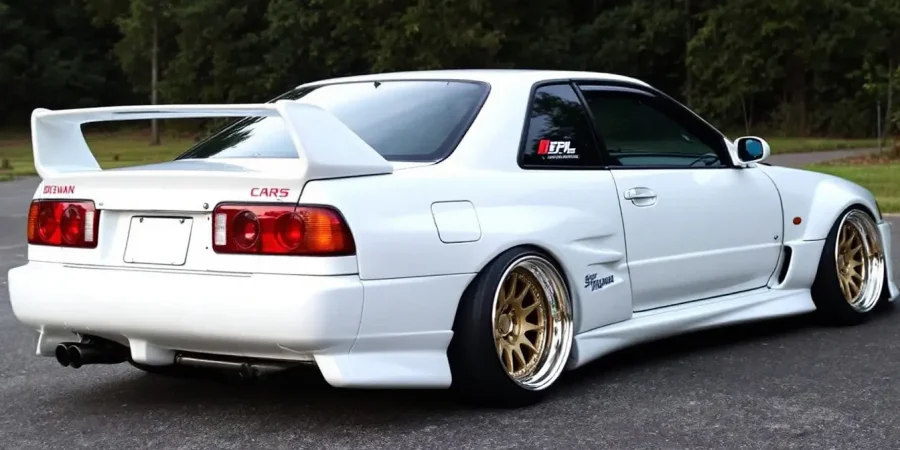
JDM car culture thrives on customization, performance, and personal expression. Whether tuning for the track, refining aesthetics, or building a car that reflects individuality, the options are limitless. With a strong aftermarket industry and a dedicated enthusiast community, modifying JDM cars has never been more accessible. From legendary models like the Nissan Skyline to the adaptable Honda Civic, each car offers a unique platform for creativity.
Key Takeaways
- It’s no secret that JDM cars are some of the most customizable cars available. Enthusiasts adore them for the same reason the overwhelming aftermarket support makes personalizing their rides easy and exhilarating.
- Model favourites such as the Honda Civic, Toyota Supra, and Nissan Skyline show off their versatility and performance capabilities. Their iconic appeal pulls in all kinds of customization personalizations.
- Aftermarket parts availability and access to tuning shops are key to being able to make their personalized modifications. Online communities teach and motivate enthusiasts to take creative leaps in their builds.
- Personalization is at the heart of JDM culture. It both allows owners to express their individuality and creativity through unique custom builds, to be seen and appreciated at events and meetups.
- Before modifying, research compatible upgrades set a realistic budget, and prioritize safety to ensure a balanced and successful customization journey.
- Tap into the passionate, welcoming JDM community to collaborate on concepts, learn from other’s mistakes, and revel in the craftsmanship that goes into creating truly unique machines.
What Makes JDM Cars Customizable
Japanese Domestic Market (JDM) cars are the ultimate playground for car enthusiasts, providing unmatched potential when it comes to customization. Their quirks and large aftermarket support make them highly tunable cars. A vibrant community culture makes them even more alluring.
Unique Engineering and Design Features
It’s no wonder that JDM cars are some of the most customizable cars in the world. The Honda Civic Type R and Mitsubishi Lancer Evolution have made names for themselves worldwide with their durability and high performance. They make the best candidates for modification, letting you improve performance without compromising reliability.
Kei cars, for example, are compact, lightweight, and fuel-efficient, creating a fun driving experience while being simple to modify. Their small nature and relative cheapness make them very attractive. Most of these models are imported at a small percentage of the cost of their newer counterparts.
The engineering of these vehicles allows almost limitless cool, performance-oriented upgrades. It’s easy to add horsepower or sharpen handling for exciting track days!
Wide Range of Aftermarket Options
The JDM aftermarket industry is huge, with everything from suspension upgrades to body kits available. Enthusiasts can replace stock components for turbochargers, exhaust systems, or even custom interiors that showcase individuality.
In the 1990s, the Nissan Skyline GT-R rose to international prominence through its incredible modifiability and success in Japanese Touring Car racing. That storied tradition continues to this day. For older models, like the Mazda RX-7 and Toyota Supra, parts are almost overly available.
Supportive Community for Modifications
What’s great about the JDM culture, though, is that it is rooted in collaboration. All around the world, from car shows to meetups to online forums, these enthusiasts find each other, creating communities where they can share advice and inspiration.
You’ll get insider guidance on tuning trends, tips for sourcing rare parts, or even imported Kei car hacks. It’s this camaraderie that feeds the passion for JDM cars that makes you feel like you’re never really working on a project alone.
Popular JDM Cars for Customization
Japanese Domestic Market (JDM) cars are well known for their affordable nature, practicality, and most of all, performance potential. Whether you’re into performance, aesthetics, or a blend of both, these cars offer a platform that rewards creativity and skill.
Take a look at some of the top examples that have become favourites among drivers, tuners, and industry insiders.
1. Honda Civic Variants for Versatility
The Honda Civic has been a tuner’s best friend for decades with its versatility. From the EK hatchbacks to the EG coupes, Civics are popular blank canvases for customization. Super Street features build sporting everything from widebody kits to turbocharged V8s.
My own connection to Civics, though, is personal, I’ve owned one. Its reliability and ease of modification are a no-brainer for me. Swapping in a B-series or K-series engine is a common and relatively easy upgrade. It has big power potential and unbeatable aftermarket support.
2. Toyota Supra Models for Performance
The Toyota Supra, and especially the MKIV model, is the very definition of high performance. Its 2JZ-GTE engine is simply legendary for being able to handle tremendous power and still be a tuner’s wet dream. Current builds are pounding out turbo upgrades that make more than 1,000 horsepower.
The MKV follows that legacy with some very high-end, new tech. Owners like to improve aerodynamics with custom spoilers and diffusers, fusing style with function on the best popular JDM cars.
3. Nissan 180SX for Drift Enthusiasts
One of the most popular rear-wheel-drive JDM cars to modify, the Nissan 180SX is a drift scene mainstay. One particularly notable example is the S13 owned by Hitomi Ishikawa, converted into a drift-ready showpiece.
Its SR20DET engine is one of the most easily upgraded engines on the planet, and its lightweight chassis has made it a popular choice among drift enthusiasts.
4. Mazda RX-7 for Rotary Engine Lovers
What makes the RX-7 special is its unique rotary engine. The FD3S, with its aggressive, curvy styling, is very popular with builders. Its small engine opens up a lot of room in the front for some clever turbo configurations.
The even weight distribution provides great handling. At shops such as Carzwerk, restorations focus on keeping the soul of these rare engines intact. They modernize performance by adding upgraded suspension and brakes for modern performance.
5. Nissan Skyline Series for Iconic Style
From the R32 to the R34, the Nissan Skyline lineage is the epitome of JDM culture. Its legendary RB26DETT engine is one of the most tunable motors ever created and its AWD system gives the car incredible control.
Most builders push the envelope in the opposite direction, creating radical, aggressive body kits and wide, colourful custom paint jobs. Skylines constantly grace the covers of enthusiast magazines, flaunting their ephemeral beauty.
6. Toyota AE86 for Classic Appeal
The Toyota AE86, or Hachi-Roku as it’s known in Japan, is a lightweight, rear-drive, 80’s classic with a legendary following. Shops such as E. PRIME have taken this model to the next level with artfully crafted builds that enhance the original era’s character while integrating modern modifications.
The 4A-GE engine is very mod-friendly, and its straightforward design has made it a go-to option for DIY tuners and restorers. This car’s close relationship with the grassroots scene of drifting means this car will be popular for years to come.
Exploring Aftermarket Support for JDM Cars
JDM cars are alluring to enthusiasts for a reason. Their incredible customization potential only adds to their desirability. The very large amount of available aftermarket support is a big factor. It’s the freedom to tailor these vehicles to your unique taste. Here’s a look at how this support system works and why it’s so vital to the JDM scene.
Importance of Aftermarket Parts Availability
The foundation of JDM customization is based on the bounty of high-quality aftermarket parts. Famed for their unrivalled precision engineering and durability, these parts have achieved near-mythical status around the world. Whether you’re looking for a big-bang turbo, a killer body kit, or some serious suspension upgrades, the aftermarket selection is virtually unlimited.
With a few strategic modifications, you can turn a Honda Prelude into a well-rounded project car. It can be your trusty, daily driver. This versatility is a testament to the massive variety of available options. You can focus on performance upgrades, like high-performance fuel injectors, or improve your ride with stylish aftermarket wheels.
Enthusiasts love that they can improve performance, but they can also add some of that JDM character, that quirky alternative personality that Japan is known for.
Role of Tuning Shops in Customization
As centres of support for JDM enthusiasts, tuning shops have a crucial role to play. These shops, usually run by enthusiasts, offer custom services, not just plug-and-play installs. They provide expert advice on marrying components together for optimal performance and will go so far as to custom-tune an engine to a driver’s particular driving style.
Shops that focus on specific brands, such as Nissan or Toyota, further reduce the burden by having proven modifications available that guarantee the best compatibility and result.
Online Communities for Sharing Ideas
The JDM scene tends to be fairly collaborative, with a lot of that collaboration taking place on the internet. Forums, Facebook groups, and platforms like Tradingview and Pinetrader.io foster a passionate community focused on collaboration and knowledge sharing.
It’s where you’ll sometimes find rare parts of these communities! These communities are an incredible resource for veterans and newcomers alike who need to learn how to optimize their builds or troubleshoot a technical issue.
The Role of Personalization in JDM Culture
Personalization is the lifeblood of JDM culture, directly influencing how enthusiasts connect with their cars. It’s never simply about the car you own, it’s about setting up a blank canvas for one’s individuality and performance to shine. The culture comes alive through a passion for customizations, where each build is a reflection of individual creativity.
Expressing Individuality Through Modifications
None compare to JDM vehicles when it comes to personalization. The customization opportunities they provide attract people who view their automobiles as an extension of their identity. You can select from wildly coloured custom paint jobs and aerodynamic body kits.
Performance upgrades such as turbochargers and suspension tuning only contribute to the almost infinite possibilities! There’s a reason many enthusiasts flock to industry dynasties such as HKS for an exhaust system. When it comes to adjustable coilovers, they prefer TEIN too, focusing on aesthetics as well as functionality.
Recent survey data suggest that 70% of JDM owners feel that modifying their cars is a key element of ownership. It isn’t only about the looks though, it’s a process to hone performance, handling, and overall driving dynamics.
Celebrating Creativity in the JDM Community
Digital innovation JDM culture is fueled by creativity and ingenuity. Enthusiasts, the true innovators, take things further, mixing old styles with new forms and expanding the culture. Social media platforms and online forums ignite creativity in the community.
They post everything from tasteful modifications to over-the-top, in-your-face builds. Whether it’s widebody kits from Rocket Bunny or custom interiors featuring Bride seats, those are the standouts. With a focus on craftsmanship and quality, each modification is purposeful and personal, making a powerful statement about the owner’s distinctive vision.
Best Practices for Modifying JDM Cars
Modifying a JDM car is more than just increasing horsepower or adjusting suspension. It’s a highly specialized, very personal pursuit that fuses performance with style, all while paying homage to the golden age of Japanese automotive innovation.
To truly appreciate these cars, it’s important to modify them responsibly, combining knowledge with a careful hand to create incredible experiences.
Researching Compatible Parts and Upgrades
The first step to any successful JDM build is knowing what your car needs specifically. Japanese vehicles are frankly just better quality and planning your builds with the right parts will guarantee better fitment and functionality.
Turbochargers, like the fantastic HKS GTI, triple the horsepower of a Nissan Silvia. At the same time, coilover kits such as Tein Flex Z improve the handling of cars such as the Mazda RX-7.
Check out forums and sites such as Pinetrader.io. You’ll be plugged into a community of passionate professionals, who share tips, best practices, and hands-on experience. This will enable you to avoid incompatible upgrades and make the smartest investments in time-tested solutions.
Setting a Realistic Budget for Modifications
Modifying JDM cars runs the gamut from a few hundred dollars for appearance upgrades to many thousands of dollars for performance modifications. Begin by outlining the areas of focus—be it exhaust systems, body kits, or ECU tuning—and calculate the expected costs.
Plan extra money for unexpected costs, such as new tools or labour needed. Aligning your vision with financial reality will help you make progress while ensuring your resources are not overextended.
Prioritizing Safety and Performance Enhancements
Though looks are important, safety is the priority at all times. Improve or reinforce braking systems with larger or upgraded components such as Brembo callipers to ensure stopping power is maximized.
Performance modifications, like the addition of lightweight wheels or a custom suspension that improves grip, can increase performance and security. Thoughtful enhancements ensure your car remains reliable, whether navigating daily roads or tackling track days.
Conclusion
JDM cars are the last place on earth where limitless freedom to create and express oneself exists. It’s their design and engineering that makes them perfect for anybody wanting to build a car that’s so unmistakably theirs. From turbocharged powertrains to low-profile aerodynamic body kits, each decision brings a new level of personalization. The extensive aftermarket support translates to an ocean of possibilities, regardless if you’re looking for pure performance, aesthetic appeal, or a combination of both.
Frequently Asked Questions
What makes JDM cars so customizable?
JDM cars are some of the most customizable cars for enthusiasts thanks to their modular designs, lightweight frames, and robust aftermarket support. Nearly every model catered directly to tuners. This provides more opportunities for enthusiasts to customize performance, style and functionality.
What are the most popular JDM cars for customization?
It’s no surprise that models such as the Nissan Skyline GT-R, Toyota Supra, Mazda RX-7, and Honda Civic are fan favourites. With huge aftermarket parts support and proven performance potential, they’re ideal blank canvases for passionate custom builders.
Why does aftermarket support matter for JDM cars?
Aftermarket support unlocks a treasure trove of parts, ranging from performance enhancements to aesthetic modifications. You can get everything you want for a car too, from the obscure to the inexpensive. What an amazing way to enhance your creativity and ship customization at the speed of light!
How does personalization play a role in JDM culture?
Personalization is at the heart of JDM culture, allowing car owners to truly bring their individuality to light. From unique paint jobs to performance tuning, it’s about creating a car that reflects your personality and style, fostering a deep connection with your vehicle.
Are there any tips for modifying JDM cars?
Know what you want going in, and don’t be afraid to set a budget. Make sure all the parts you’re getting will work together. Make quality a priority instead of quantity to prevent performance problems. Finally, seek the opinion of professionals or peers in forums to ensure you’re making the right choice when upgrading.
Are JDM cars good for beginners who want to customize?
Yes, several JDM cars are beginner-friendly. Models such as the Honda Civic and Mazda Miata are inexpensive and simple to modify. There’s a huge variety of online resources and welcoming communities that can help you along the way.
Is it legal to modify JDM cars in the U.S.?
So while yes, modifications are legal, they need to be roadworthy and in compliance with state and federal regulations. Comply with emissions, safety, and noise regulations with local laws. Always confirm with your local, state, or federal authority to prevent fines, citations, or lawsuits.