
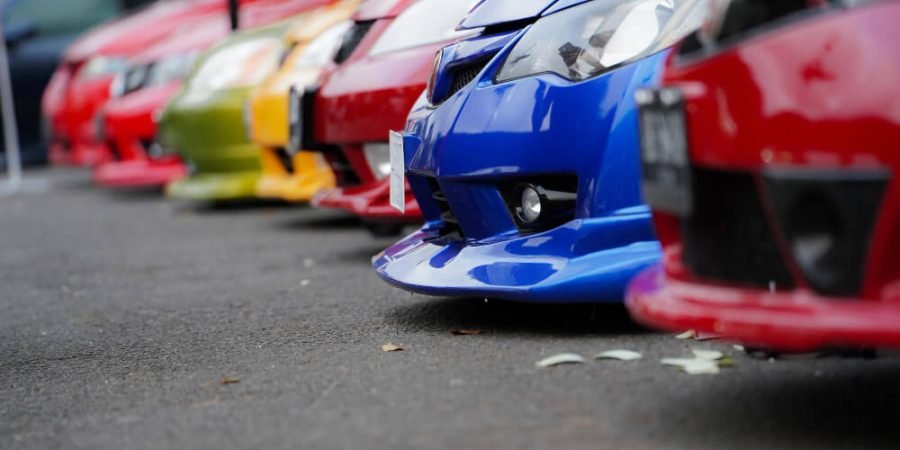
JDM vehicles are known worldwide for their top-notch engineering and innovative technology. Japanese car makers focus on high-quality production, using methods like the Toyota Production System and Kaizen. This approach results in highly reliable cars with strong performance.
Models such as the Skyline GT-R and Civic Type R are famous for their powerful engines. Success in racing events like Super GT and WRC further proves their engineering skill. There is a large aftermarket scene that supports customization, backed by a dedicated global fan base.
These vehicles also offer strong investment potential, particularly in limited-production models, adding long-term value. This broad appeal explains why car enthusiasts are drawn to JDM vehicles.
Japanese Engineering Excellence
While automotive engineering excellence is present in many countries, Japanese manufacturers stand out with their comprehensive approach that combines strict quality control, innovative manufacturing processes, and a strong commitment to continuous improvement.
Japanese engineering methods, as seen in the Toyota Production System (TPS) and Kaizen philosophy, have transformed car manufacturing. The use of Just-in-Time production methodology reduces waste and keeps inventory levels optimal. This careful system, along with strict supplier management, ensures every part meets high standards. Rigorous testing methods, including X-rays, ultrasound, and environmental simulations, uphold superior quality.
Japanese engineering skill goes beyond production, leading to groundbreaking advances in propulsion systems. They pioneered hybrid technology with the Toyota Prius and developed hydrogen fuel cell vehicles, consistently advancing technological limits.
Their high-performance engines, like the famous RB26 in the Skyline GT-R, balance power and reliability. Advanced materials science and aerodynamic design increase vehicle efficiency and durability.
The use of cutting-edge technologies, backed by significant R&D investments, places Japanese manufacturers as leaders in automotive innovation, especially in sustainable transportation solutions and magnetic levitation technology.
Racing Heritage and Cultural Impact
Japanese car makers have earned a strong racing pedigree with standout performances in series like Super GT and WRC, where cars like the Subaru Impreza WRX STI showcased superior engineering.
The success of JDM vehicles in motorsports drove technological innovations in turbocharging, all-wheel-drive systems, and aerodynamic design, which later became part of production models. The street racing scene in Japan greatly influenced vehicle design in the 1970s and 1980s.
These engineering feats, along with roles in popular media such as “Fast & Furious” and “Gran Turismo,” elevated JDM vehicles from track performers to globally recognized cultural symbols representing performance excellence and technological innovation.
Track Legends Born
JDM vehicles evolved into global track legends during the transformative 1950s and 60s. Manufacturers such as Nissan, Honda, Mazda, and Toyota crafted advanced performance solutions while adhering to strict domestic limits.
They operated under displacement tax rules and emissions constraints, engineering vehicles that maximized performance within compact designs. In Australia, enthusiasts value JDM cars for their unique features and historical significance, often going through detailed import processes to own these gems.
Iconic models like the Nissan Skyline GT-R “Godzilla” and Mazda RX-7 highlight the engineering excellence born from these challenges. The Toyota Supra A80’s tuning capabilities, enabling outputs over 1,000 horsepower, set new standards for JDM collectors worldwide.
The Subaru Impreza WRX STI’s rally success and Honda Civic Type R’s front-wheel-drive innovation showcase the adaptability of Japanese engineering.
International platforms like D1 Grand Prix and Tokyo Auto Salon spotlight modified vehicles and cutting-edge technologies, amplifying these achievements.
Advanced systems like VTEC engines and sophisticated turbocharging solutions reinforce Japan’s influential role in global motorsports, leaving a legacy that continues to shape automotive design and performance engineering today.
Motorsport Innovation Legacy
Over three key decades, Japanese manufacturers transformed from local producers to global performance innovators through their active participation in World Rally Championship, Dakar Rally, and Formula 1. This motorsport innovation legacy significantly impacted production vehicles due to homologation requirements. High-quality aftermarket parts enabled enthusiasts to bring racing performance to everyday driving.
This technological evolution led to breakthroughs like VTEC and Symmetrical All-Wheel Drive, setting new performance benchmarks. Japanese manufacturers capitalized on their racing achievements, adopting the “win on Sunday, sell on Monday” strategy to boost brand perception.
Australian consumers resonated with these motorsport-derived innovations, contributing to the global admiration for models like the Skyline GT-R, Supra, and RX-7. The impact stretched beyond engineering excellence, fostering a global passion for JDM vehicles.
Advanced technologies, such as sequential twin-turbocharging and lightweight chassis design, showcased Japanese manufacturers’ dedication to advancing engineering limits. This legacy continues to shape modern performance vehicles, with cars like the GT-R and Civic Type R upholding these engineering principles while enhancing technological capabilities.
Pop Culture Racing Icons
Racing circuits and media transformed JDM vehicles into global pop culture icons. Tracks like Tamagawa Speedway and Suzuka Circuit showcased Japanese manufacturers’ engineering prowess, shaping their cultural impact.
Media played a key role in amplifying JDM’s reach. The Nissan Skyline GT-R gained fame for its Group A racing success and “Godzilla” nickname. Its appearance in the Fast and Furious franchise solidified its iconic status, introducing Japanese car culture to new global audiences.
Anime like Initial D highlighted various JDM models, sharing Japanese automotive culture worldwide. Video games like Gran Turismo further popularized JDM performance among enthusiasts.
This media exposure, coupled with racing achievements, created a strong narrative that crossed borders. The cultural impact led to widespread merchandise, fashion trends, and a dedicated global fan base celebrating Japanese automotive engineering excellence.
Unique Design and Customization Potential
JDM vehicles feature unique aesthetic elements, including sleek aerodynamics, advanced body styling, and innovative designs that distinguish them in the automotive world.
A wide range of aftermarket components available for JDM cars allows enthusiasts to improve both performance and visual appeal with body kits, suspension modifications, and power upgrades. The vibrant tuning community culture encourages knowledge sharing and DIY modifications, creating a collaborative space for car fans.
This unmatched customization potential lets owners craft personalized builds while preserving the vehicle’s engineering integrity and cultural importance.
Iconic Aesthetic Elements
Japanese domestic market vehicles are distinctively set apart by their unique aesthetic elements and significant customization potential. Japanese manufacturers design these vehicles with sleek profiles, minimalistic styles, and advanced aerodynamic features that balance form and function. Regular inspections in Japan help keep these vehicles in excellent aesthetic condition as they age.
The origins of JDM aesthetics trace back to post-WWII developments, where compact, efficient designs began incorporating performance-oriented elements. This evolution includes features like aggressive front fascias, distinctive body lines, and aerodynamic components that enhance both look and dynamics.
These design elements also reflect Japanese cultural influences, drawing inspiration from manga and anime aesthetics.
The customization potential further boosts the iconic status of JDM vehicles. Enthusiasts can modify these cars with aerodynamic tweaks, engine upgrades, and suspension changes while staying road-legal.
The focus on lightweight, multi-spoke wheels and body kit options allows for personal expression within the established design style. This combination of factory aesthetics and modification potential has built a global following, securing JDM vehicles’ place in the automotive culture.
Aftermarket Parts Availability
The aftermarket parts ecosystem for Japanese domestic market vehicles offers an unparalleled range of options for customization. Enthusiasts can explore performance and aesthetic enhancements thanks to a plethora of available components.
Top manufacturers like HKS, Tomei, and Greddy supply expertly crafted parts such as turbo kits and suspension systems, delivering reliable performance improvements. JDM engines, known for being tuner-friendly, cater to both professional builders and DIY enthusiasts, ensuring a perfect fit for any project.
A robust global network ensures parts are easily accessible, supporting a rich culture that values balanced upgrades and component harmony. This culture, inspired by Kanjozoku practices and popularized by media, has cultivated a global community dedicated to JDM modifications.
Personalization Freedom Potential
Japanese domestic market vehicles offer unmatched freedom for customization, allowing enthusiasts to express their style through both visual and performance mods. Models like the Toyota Supra showcase the flexibility of JDM platforms for diverse enhancements.
| Modification Category | Performance Impact | Aesthetic Value |
|---|---|---|
| Aerodynamic Kits | Enhanced downforce | Aggressive stance |
| Engine Tuning | Increased power output | Engine bay display |
| Suspension Systems | Improved handling | Lowered profile |
The broad aftermarket support allows enthusiasts to craft detailed builds using components like lightweight wheels and advanced engine systems. JDM vehicles, with their unique design inspired by Japanese aesthetics, offer an ideal base for personalization.
The robust engineering of engines such as the 2JZ-GTE allows for significant power increases through modifications.
JDM Rarity and Investment Value
Scarcity and specific market forces have turned Japanese Domestic Market (JDM) vehicles into desirable assets in the automotive investment sector. Limited production runs, coupled with the 25-year import restriction in the United States, have caused a supply imbalance that significantly boosts value.
Examples like the Honda Civic Type R and rare Skyline models highlight their strong market performance, often surpassing conventional car investments in appreciation rates.
The Investment Appeal of JDM Vehicles
The value proposition of JDM vehicles is well-supported by market data and historical trends. Well-maintained examples with documented histories and low mileage consistently attract premium prices. Iconic cases, such as the Toyota Supra, have reached auction prices approaching $200,000.
Key factors influencing their investment appeal include:
- Import Restrictions: These rules artificially limit availability, enhancing exclusivity.
- Low Production Numbers: Scarce supply ensures sustained demand.
- Unique Specifications: Original Japanese market features heighten collectibility.
- Documented Maintenance History: A thorough service record significantly impacts valuation.
JDM vehicle appreciation parallels the rise of classic American muscle cars, suggesting a continued upward trend.
Global Demand and Future Prospects
The appeal of JDM vehicles is bolstered by increasing global demand as they become eligible for import into previously restricted markets. Investment-grade examples, particularly those with original parts and verifiable histories, present excellent opportunities for portfolio diversification.
Legendary Performance and Innovation
JDM vehicles have earned their legendary reputation through outstanding performance and pioneering innovations that reshaped automotive engineering. From high-revving naturally aspirated engines to advanced forced induction systems, these vehicles set new standards in performance.
Notable Models and Their Impact
Each iconic JDM model showcases a unique innovation that left a lasting impact on the automotive world:
| Model | Innovation | Performance Impact |
|---|---|---|
| Nissan Skyline GT-R | Advanced AWD System | Enhanced traction and precise handling |
| Mazda RX-7 | Rotary Engine | Exceptional power-to-weight ratio |
| Toyota Supra | Twin-Turbo Inline-6 | Outstanding power and smooth delivery |
| Subaru WRX STI | Rally-Inspired AWD | Reliable performance in all conditions |
| Honda Civic Type R | VTEC Technology | Exceptional high-rpm performance |
Technological Breakthroughs
The innovations extended beyond engines and drivetrains. Japanese manufacturers led the way with cutting-edge electronic control units (ECUs) and fuel injection systems, achieving optimised performance and fuel efficiency. These advancements established JDM vehicles as trailblazers in both performance and reliability.
Affordable Long-Term Ownership Benefits
The value of JDM vehicles extends beyond their purchase price, offering significant advantages for long-term ownership. Known for their exceptional reliability and durability, these cars are built with high-quality components and engineering practices that reduce the need for frequent maintenance.
Key Long-Term Ownership Benefits
JDM vehicles provide compelling economic advantages that make them cost-effective over their lifecycle:
- Lower Initial Costs: Typically more affordable than USDM equivalents while maintaining strong resale value and potential for appreciation.
- Reduced Maintenance Expenses: Standardised and widely available parts simplify repairs and lower service costs.
- Superior Fuel Efficiency: Designed to meet stringent Japanese regulations, these vehicles deliver lower operational expenses.
- Versatile Model Range: Options catering to various needs, including models with four-wheel drive and extensive customisation opportunities.
Global Enthusiast Community
The worldwide community of JDM enthusiasts is one of the most dynamic and diverse in automotive culture. Millions of fans have built a vast network dedicated to these vehicles, connecting through social media, specialised forums, and regional car meets. These platforms enable enthusiasts to share knowledge, trade parts, and celebrate their passion across continents.
Key Community Contributions
The global JDM enthusiast network fosters collaboration and cultural exchange through several key avenues:
| Community Aspect | Global Impact |
|---|---|
| Digital Presence | Active forums, social media groups, and marketplace platforms enhance global connectivity. |
| Events | International meets, track days, and tuner shows bring enthusiasts together. |
| Knowledge Base | Shared resources include technical documentation, modification guides, and restoration tips. |
| Market Access | Global parts distribution and cross-border trading sustain the community’s needs. |
| Cultural Exchange | Styling trends and performance techniques are shared across regions. |
A Growing Influence
The spread of JDM culture has gone far beyond Japan, gaining traction in Europe, North America, Australia, and beyond. Enthusiasts from these regions have not only embraced JDM principles but also added their unique elements, enriching the community and driving its ongoing evolution.
Frequently Asked Questions
Are JDM Cars Legal to Import in All Countries?
JDM vehicle importation legality varies by jurisdiction, with specific regulatory frameworks governing compliance. Key markets maintain distinct age restrictions, safety standards, and certification requirements, necessitating careful evaluation of import eligibility per destination country.
How Much Does Shipping a JDM Car From Japan Typically Cost?
Shipping costs for JDM vehicles typically range from 140,000-500,000 yen for export fees, plus shipping calculated at 155 USD/m³. RoRo transport fees vary by destination, with total costs influenced by vehicle dimensions and market conditions.
Do JDM Cars Come With Right-Hand or Left-Hand Drive Configurations?
JDM vehicles primarily feature right-hand drive configurations, as standard for the Japanese market. However, some export-specific models were manufactured with left-hand drive to accommodate international markets requiring LHD vehicle specifications.
What’s the Average Lifespan of Original JDM Parts and Components?
Original JDM components typically demonstrate 15-20% longer service intervals than standard counterparts, with critical drivetrain components often lasting 200,000-250,000 kilometres when maintained according to manufacturer-specified preventive maintenance schedules.
Can JDM Cars Use Regular Fuel Available in Other Countries?
Most modern JDM vehicles can operate efficiently on global fuel standards, with post-2000 models compatible with E10 and post-2005 models handling E15 blends. Fuel system specifications generally align with international emissions standards.
Final Thoughts
JDM vehicles embody the blend of precision engineering, motorsport heritage, and cultural impact that crosses borders. Their innovative designs, solid build quality, and outstanding performance make them globally appealing.
The mix of reliability, customization, and rising market value keeps JDM cars strong in the automotive world, establishing them as both cultural icons and wise investments.
Leave a Reply