
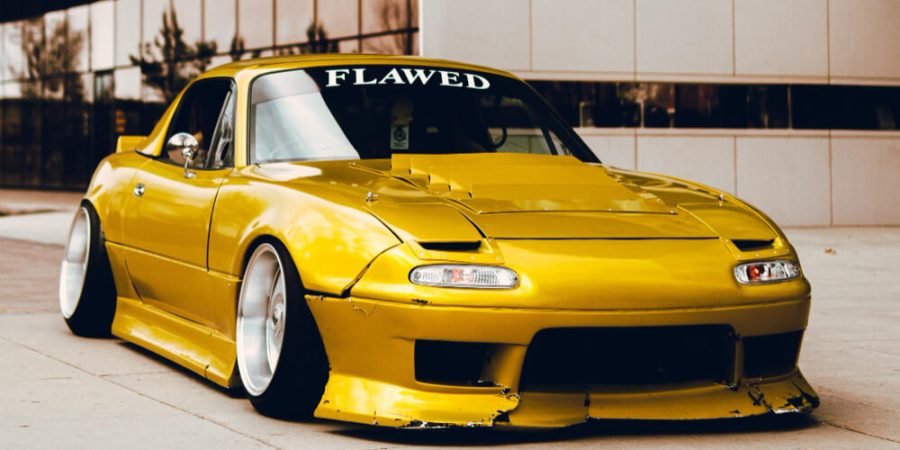
Yes, JDM cars are legal in Australia, but you’ll need to meet specific regulatory requirements. Under the 25-Year Rule established in 2019, vehicles manufactured 25+ years ago can be imported with simplified processes. For newer vehicles, you’ll need approval through the Specialist and Enthusiast Vehicle Scheme (SEVS) or Registered Automotive Workshop Scheme (RAWS).
All imports must comply with Australian Design Rules (ADR), including safety standards and emissions requirements. You’ll face costs ranging from AU$6,500 to AU$14,000 for import and compliance modifications. Understanding the complete regulatory framework will help guarantee a successful import process.
Understanding JDM Car Legality
The legality of importing JDM vehicles to Australia operates under a complex framework of regulations and compliance requirements.
You’ll need to navigate multiple schemes, including the Specialist and Enthusiast Vehicle Scheme (SEVS) for rare or high-performance vehicles, and the Registered Automotive Workshop Scheme (RAWS) for compliance modifications.
As JDM culture continues to influence import trends, you must guarantee your vehicle meets specific criteria. Your car must be right-hand drive and comply with Australian Design Rules (ADR) for safety and emissions standards, meeting Euro 5 requirements. The total import cost includes duties and taxes, plus any expenses for modifications.
Inspections cover asbestos-free certification and over 150 safety aspects to ensure vehicle quality and roadworthiness.
If you’ve lived overseas for 12 months or more, you can utilize the Personal Import Scheme, provided you’ve owned and used the vehicle during that period.
Before shipping, you’ll need to obtain Vehicle Import Approval (VIA) from the Department of Infrastructure.
Once your vehicle arrives, it must clear customs, pay applicable duties, and undergo AQIS clearance.
You’ll also need to complete the necessary modifications through an RAWS workshop before registration with your state’s transport authority.
Understanding these requirements is vital for successfully importing a JDM vehicle to Australia.
The 25-Year Rule
Since December 10, 2019, Australia’s 25-Year Rule has fundamentally transformed JDM vehicle importation by establishing a rolling age-based system for classic cars.
Under this regulation, you’ll find that any vehicle manufactured 25 years ago or earlier can be imported through a simplified process, marking a significant shift from the previous pre-1989 fixed cutoff date.
If you’re interested in bringing JDM culture to Australian roads, you’ll discover that this rule has made iconic vehicles more accessible. Popular models like the Nissan Skyline GT-R (R32 and R33), Toyota Supra (A80), and Mazda RX-7 (FD3S) now qualify under this scheme.
You won’t need to comply with the complex RAWS or SEVS requirements that newer imports face. Vehicles that don’t meet the 25-year threshold must qualify under the Specialist & Enthusiast Vehicle Scheme.
The regulatory framework offers substantial benefits for vintage vehicle enthusiasts. You’ll enjoy reduced compliance costs and a streamlined documentation process. Import duty rates apply at 5% of the vehicle’s customs value.
However, you must still obtain import approval from the Department of Infrastructure and meet basic customs and quarantine requirements.
Essential Import Requirements
To import a JDM vehicle into Australia, you’ll need to verify the manufacturing date through the chassis number and obtain official documentation from the manufacturer confirming the vehicle’s age meets the 25-year requirement.
You must submit an import approval application through the Department of Infrastructure, Transport, Regional Development and Communications, including all supporting documentation such as proof of vehicle age, purchase details, and compliance workshop arrangements. Working with local owner groups can provide valuable insights and support throughout the import process.
Your application must also demonstrate how the vehicle meets the eligibility criteria under either the 25-year rule or the Specialist and Enthusiast Vehicle Scheme (SEVS), along with payment of the required application fees. Proper EPA certification requirements must be verified during the import process to ensure compliance with Australian emissions standards.
Vehicle Age Verification Process
Verifying a vehicle’s age accurately stands as an essential first step when importing JDM vehicles to Australia.
The new import law from December 2019 has simplified the process significantly for eligible vehicles. Popular models like the Nissan Skyline GT-R have seen increasing import demand among Australian enthusiasts. Under current import regulations, vehicles manufactured before 1989 follow different criteria but remain eligible for import.
When verifying your vehicle’s age, you’ll work with the Department of Infrastructure, Transport, Regional Development and Communications, who’ll assess your documentation and confirm eligibility. Your car must then undergo compliance checks through a Registered Automotive Workshop to guarantee it meets Australian Design Rules (ADRs).
If modifications are needed, they must be completed before registration.
You’ll also need to prepare for customs clearance, including duty payments based on your vehicle’s CIF value. The process requires quarantine inspections for hazardous materials like asbestos.
Once you’ve completed these steps and any necessary modifications, you can proceed with registration through your state or territory’s road transport authority, presenting all required compliance documentation and paying applicable fees.
Import Approval Documentation Steps
Anyone seeking to import a JDM vehicle into Australia must compile an extensive set of documentation that meets strict regulatory requirements.
You’ll need to submit proof of ownership, including purchase invoices and registration documents, along with a thorough Letter of Compliance. The import approval application must detail your vehicle’s specifications, including its VIN and complete make/model information.
For vehicles falling under the Specialist and Enthusiast Vehicle Scheme (SEVS), you’ll need to demonstrate that your car meets at least two of the specified criteria, covering special design features, unusual appearance, or high-performance capabilities.
Your documentation package must be submitted to the Department of Infrastructure, and you shouldn’t proceed with shipping until you’ve received formal approval.
- All modifications required to meet Australian Design Rules must be completed by a Registered Automotive Workshop
- Import approval documentation typically takes several weeks to process
- Customs clearance can’t proceed without valid import approval documentation
After receiving approval, you’ll need to complete compliance checks, emissions testing, and state registration requirements.
Remember that all duties and taxes must be calculated based on the vehicle’s CIF value and paid before taking possession.
Compliance and Safety Standards
When importing a JDM vehicle to Australia, you’ll need to guarantee your car meets the Australian Design Rules (ADRs), which encompass stringent safety standards for everything from seat belts to impact protection.
Your vehicle must undergo thorough modification and testing at a Registered Automotive Workshop (RAW), where technicians will assess and upgrade components to meet Australian requirements, including headlight configurations and bumper specifications.
You’ll also need to verify that your JDM import complies with Australian emissions standards, which often requires modifications to the exhaust system and catalytic converter to meet current environmental regulations.
Meeting ADR Safety Requirements
All JDM vehicles imported into Australia must strictly comply with the Australian Design Rules (ADRs) safety standards before they’re allowed on public roads.
You’ll need to work with a Registered Automotive Workshop (RAW) to guarantee your vehicle meets these requirements through necessary JDM modifications and safety enhancements. This includes addressing vital elements like noise levels, emissions testing, child restraint anchor points, and tyre specifications.
A key consideration is ADR 85, which focuses on pole-side impact performance. You’ll need to verify that your vehicle’s body structure and airbag systems provide adequate protection during side-impact collisions.
If your vehicle doesn’t meet these standards, you’ll face significant obstacles in registration and potential legal consequences under the Crimes Act 1914.
- Modifications must be performed exclusively by authorized RAWs to guarantee compliance and legal recognition
- Non-compliance can result in registration denial, financial losses, and legal penalties
- Older vehicles may qualify for conditional registration if they don’t meet ADR 85, subject to state/territory approval
Vehicle Modification and Testing
Building upon the ADR safety requirements, specific vehicle modifications and testing procedures must be completed through authorized Registered Automotive Workshops (RAWs) to confirm your JDM vehicle meets Australian compliance standards.
The modification techniques must adhere to strict engineering principles, with all changes documented and certified by licensed professionals.
You’ll need to verify your vehicle undergoes thorough testing protocols, including structural integrity assessments and safety system evaluations. Each modification must be validated through proper certification schemes, which vary by state. For example, if you’re in Victoria, you’ll need to obtain a VASS Approval Certificate for significant modifications.
When modifying your JDM vehicle, you’re required to maintain compliance with state-specific regulations while preserving the vehicle’s safety features. This includes addressing critical components such as lighting systems, suspension modifications, and brake upgrades.
You’ll need to document all changes and maintain detailed records of testing results. Remember that certain modifications may be restricted depending on your license status, particularly if you’re a P-plate driver.
Professional engineering certification is mandatory for major modifications that affect vehicle performance or safety systems.
Emissions Standards Compliance
To legally import and register your JDM vehicle in Australia, you’ll need to confirm it meets the country’s strict emissions standards, which are regulated by the Department of Infrastructure and Regional Development.
Your vehicle must comply with Australian Design Rules (ADR) emissions requirements, which currently follow Euro 5 standards through ADR79/03, with Euro 6 implementation pending.
For light-duty vehicles (3.5t GVM or less), you’ll need to obtain emissions testing and compliance certification.
Japanese domestic standards aren’t automatically accepted in Australia due to different durability requirements, so your JDM vehicle may need modifications to meet local standards.
However, if your vehicle is over 25 years old, it may qualify for exemptions from current emissions requirements.
- Vehicles must undergo thorough emissions testing to verify compliance with ADR79/03 standards
- Compliance options include meeting Euro 6d standards or modifying the vehicle to meet Australian requirements
- Testing can be conducted using either 3-phase or 4-phase WLTP protocols
For newer JDM imports, you’ll need to work with a Registered Automotive Workshop (RAW) to confirm your vehicle meets particulate matter and particle number standards, particularly for diesel and direct injection petrol engines.
Popular Legal JDM Models
You’ll find a wide range of Nissan models that are now legally importable, including the highly sought-after Skyline GT-R 32 (BNR32) and GT-R 33 (BCNR33) variants. The Toyota Supra 80 model has also become a popular choice among enthusiasts seeking legal JDM imports.
For vehicles newer than 25 years, you’ll need to verify their eligibility under the Specialist and Enthusiast Vehicle Scheme (SEVS). Notable SEVS-eligible models include the 1999-and-newer Mazda RX-7, which must undergo compliance checks at a Registered Automotive Workshop (RAWS).
You should note that RAWS workshops are limited to importing and plating 100 vehicles per category annually.
When considering JDM imports, you’ll need to factor in compliance costs ranging from AU$1,500 to AU$4,000. Additionally, you must guarantee your chosen vehicle meets Australian standards through necessary modifications.
Import Costs and Fees
Several considerable costs await anyone planning to import a JDM vehicle into Australia.
You’ll need to budget at least $5,000 for a small car, while larger vehicles can reach $10,000 in import fees alone, excluding the vehicle’s purchase price. The total cost encompasses shipping methods (roll-on, roll-off, or container), customs duties, GST, and compliance modifications.
For vehicles under 30 years old, you’ll pay a 5% import duty, while vehicles over 30 years are duty-free. GST is calculated at 10% of the total value, including the customs value, duty, shipping, and insurance costs.
You’ll also encounter various logistics fees, including customs clearance, quarantine inspections, and transportation from port to destination.
- Compliance costs vary considerably based on required modifications to meet Australian Design Rules and safety standards.
- Shipping costs fluctuate depending on the chosen method and port-to-port distance.
- Additional expenses include biosecurity cleaning, registration fees, and mandatory insurance coverage.
When calculating your budget, remember to factor in potential storage fees, broker charges, and state-specific registration requirements.
Modification and Workshop Requirements
When importing a JDM vehicle to Australia, you’ll need to work with a Registered Automotive Workshop (RAW) that meets strict certification standards and maintains liability for modifications for up to 10 years.
Your vehicle must undergo specific modifications to comply with Australian Design Rules (ADRs), including potential updates to seat belts, child restraints, and safety systems.
The total compliance costs through an RAW typically range from AU$1,500 to AU$4,000, depending on the extent of modifications required and the vehicle’s original condition.
Workshop Certification Standards
Proper certification through Registered Automotive Workshops (RAWs) stands at the forefront of Australia’s JDM import compliance system. These facilities must maintain strict workshop accreditation and undergo regular compliance audits to guarantee they’re meeting the standards set by Australian Design Rules (ADRs) and Road Vehicle Standards (RVS) legislation.
You’ll find that RAWs are the only facilities authorized to issue compliance plates and certificates for your imported JDM vehicle.
When you’re importing a JDM car, you’ll need to work with Authorized Vehicle Verifiers (AVVs) who operate within these certified workshops. They’ll conduct thorough inspections and oversee necessary modifications to guarantee your vehicle meets Australian safety and emissions requirements.
The compliance process isn’t complete until your car’s been added to the Register of Approved Vehicles (RAV).
- RAWs must strictly adhere to Vehicle Standards Bulletin 14 (VSB14) for all light vehicle modifications
- Each workshop must maintain current certifications and pass regular government inspections
- Your vehicle can’t be registered without proper documentation from an authorized RAW
Required Vehicle Modifications
Building on RAW certification standards, specific modifications must be completed on JDM vehicles to achieve full compliance with Australian Design Rules (ADRs).
You’ll need to address multiple modification challenges, including the installation of Australian-approved safety equipment such as seatbelts, airbags, and door beams. The compliance timeline typically depends on the extent of modifications required and workshop availability.
You’ll need to verify your vehicle meets strict emissions standards, which may require installing additional emissions control equipment.
Your JDM vehicle’s lighting system must be modified to meet Australian specifications, including headlight adjustments and the addition of compliant mirrors. The braking system must also undergo a thorough inspection and potential modification to meet local safety requirements.
All modifications must be performed by a certified RAW, and you’ll need extensive documentation of every change made.
After completion, your vehicle must pass a detailed inspection process, including roadworthiness checks and emissions testing. Only after receiving final compliance certification can you proceed with registration through your state or territory authority.
Compliance Cost Breakdown
Importing costs for JDM vehicles encompass several mandatory expenses you’ll need to take into account. A thorough compliance cost analysis reveals that you’ll face various fees, including Japanese agent charges (79,000 yen), international freight costs (ranging from AUD 2,875 to 3,100), and mandatory biosecurity treatments (AUD 250 for vehicles up to 2000).
The most significant portion of your expenses will be compliance-related costs in Australia, typically ranging from AU$1,500 to AU$4,000. These fees cover necessary modifications, inspections, and certifications by Registered Automotive Workshops (RAWs).
You’ll also need to factor in GST, customs fees, and mandatory new tyres regardless of the vehicle’s current tyre condition.
- Vehicles over 25 years old qualify for reduced compliance costs, offering significant cost-saving strategies
- RAWs maintain responsibility for your vehicle for 10 years, including recall management
- All modifications must meet Australian Design Rules, with costs varying based on required changes
Storage fees may apply during the compliance process, so it’s advisable to maintain a contingency fund of approximately 15% above your initial budget for unexpected expenses or required modifications.
Registration Process
For successful registration of JDM vehicles in Australia, you’ll need to navigate a multi-step compliance process that begins with obtaining Vehicle Import Approval (VIA) through the Road Vehicle Standards Act portal. You’ll encounter several registration obstacles, including documentation requirements that must be meticulously fulfilled.
After completing compliance modifications, you’ll need to arrange an AUVIS inspection to verify your vehicle meets Australian safety standards. The inspection must be accompanied by thorough documentation, including your VIA, proof of purchase, and customs clearance papers.
| Stage | Requirements | Timeline |
|---|---|---|
| Pre-Registration | VIA, Customs Clearance, AUVIS Inspection | 2-4 weeks |
| Documentation | CTP Insurance, Import Plate, Proof of Ownership | 1-2 weeks |
| Final Steps | State Registration, Roadworthy Certificate, Plate Fitting | 1-2 weeks |
Your vehicle won’t receive registration approval until you’ve obtained compulsory third-party insurance and completed all necessary inspections. You’ll also need to secure an import plate and have it properly mounted according to regulations.
The final step involves submitting your application to your state or territory’s road transport authority, where they will verify all documentation before issuing your registration.
Common Import Challenges
Through the JDM import process, you’ll encounter several significant challenges that can impact your vehicle’s successful entry into Australia. Your import strategies must account for stringent compliance requirements, including pre-export inspections in Japan and ADR standards verification upon arrival.
You’ll need to navigate complex documentation processes while managing potential language barriers during vehicle sourcing.
Financial considerations pose substantial hurdles, as you’ll face multiple cost layers beyond the initial purchase price. These include shipping expenses, import duties, GST, and potential modification costs to meet Australian standards.
Additionally, compliance workshops (RAWS) may require extensive modifications to guarantee your vehicle meets emission and safety regulations.
- Non-compliant vehicles can result in complete import rejection, leading to significant financial losses and wasted time.
- Time zone differences and geographic distance can complicate vehicle inspections and communication with Japanese sellers.
- Euro 5 emission standards compliance is mandatory, potentially requiring costly modifications for older JDM vehicles.
Recent Regulatory Changes
As of December 2019, Australia’s JDM import regulations underwent significant restructuring with the introduction of the rolling 25-year rule, replacing the previous pre-1989 vehicle scheme.
Under this new system, you’ll find import trends shifting toward a broader range of vehicles, as any car manufactured 25 years ago or earlier becomes eligible for importation through a simplified process.
The reform has dramatically increased vehicle availability, particularly for sought-after JDM models like the Nissan Skyline GT-R, Toyota Supra, and Mazda RX-7.
You’ll need to work with Registered Automotive Workshops (RAWS) for compliance, though these workshops face restrictions including a 100-vehicle annual import cap.
The RAV database serves as your definitive resource for checking vehicle eligibility.
Frequently Asked Questions
Can I Import a JDM Car if I’ve Modified It Overseas?
You’ll need to guarantee your modified JDM vehicle meets Australian import regulations and passes compliance checks. All modifications must be assessed by an RAWS workshop, regardless of where they were performed, before gaining import approval.
What Happens if My Imported JDM Car Fails Compliance Inspection?
If your JDM vehicle fails compliance inspection, you’ll need to work with an RAW to address deficiencies through approved modifications. You must then undergo re-inspection or consider exporting/destroying the vehicle if compliance isn’t achievable.
Are There Restrictions on Selling Imported JDM Cars Within Australia?
Yes, you’ll face import restrictions when selling JDM vehicles. Non-compliant cars can’t be sold, personal imports require a 2-year holding period, and all vehicles must meet ADR standards to maintain resale value.
Can I Use My JDM Car for Commercial Purposes Like Ride-Sharing?
You’ll need special insurance and must guarantee your JDM vehicle meets strict ride-sharing regulations. Commercial use requires additional compliance certifications and may be restricted based on your vehicle’s import classification status.
Do Insurance Companies Charge Higher Premiums for Imported JDM Vehicles?
Yes, you’ll typically face higher insurance costs for JDM imports. Premium rates are elevated due to specialized parts availability, repair complexity, and increased risk assessment by insurers for modified or non-standard vehicles.
Leave a Reply